Choose the pieces that feel personal, balanced, and lasting
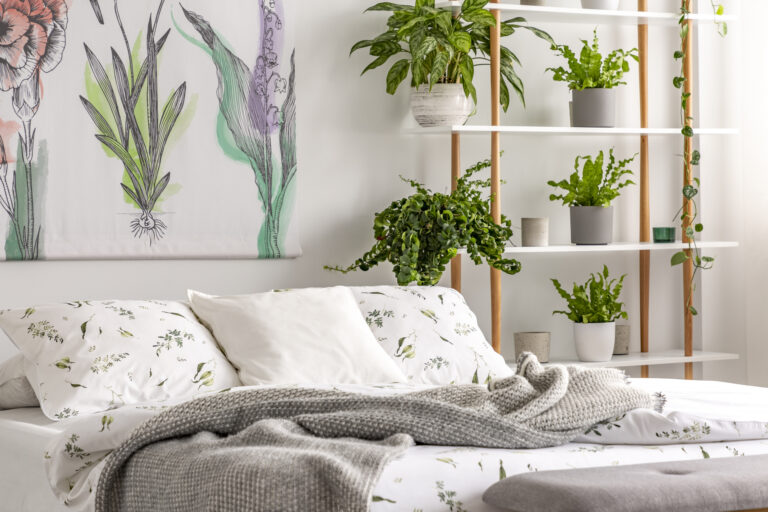
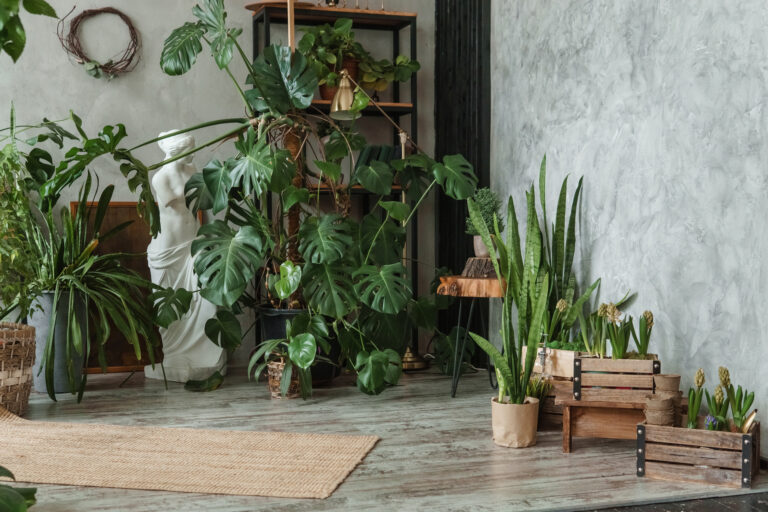
Curating art for your living space is less about filling walls and more about shaping how a room feels. Art influences mood, movement, and focus in subtle ways. The right pieces can anchor a space, invite conversation, or simply make a room feel complete. The goal is not to impress, but to live well with what surrounds you.
Many people feel unsure about choosing art because they think there are rules they might break. In reality, confirmation and intention matter more than expertise. A well curated space reflects taste that has been considered over time, not rushed decisions or trends followed too closely.
Start With How You Want the Room to Feel
Before choosing specific pieces, it helps to step back and think about the atmosphere. A living space might be meant to feel calm, social, creative, or grounded. Art should support that intention rather than compete with it.
Pieces with soft color palettes, open compositions, or subtle movement tend to create calm. Bolder works can add energy and focus. Neither approach is better. What matters is alignment with how the space is used and how you want to feel in it.
Choose Art That Holds Your Attention
Art you live with should reward repeated looking. This does not mean it has to be complex or abstract. It means it should continue to feel relevant over time. Pieces that feel meaningful, emotionally resonant, or visually intriguing tend to age better than art chosen purely for style.
Living with art is different from viewing it briefly. Trust your response over time rather than instant impact.
Think About Scale and Placement
Scale plays a major role in how art functions in a space. A piece that is too small can feel lost, while one that is too large can overwhelm the room. Art should relate to nearby furniture and architecture rather than float independently.
Placement matters just as much. Hanging art at eye level creates comfort and accessibility. Groupings should feel intentional, with enough space for each piece to breathe. Thoughtful placement often matters more than the artwork itself.
Mix Styles Without Forcing Unity
A living space feels more interesting when art reflects variety. Mixing mediums, periods, or styles adds depth and personality. The key is balance. A shared color tone, theme, or emotional quality can tie different pieces together without making them match exactly.
This approach allows your collection to grow naturally instead of feeling locked into one aesthetic.
Let Negative Space Do Some Work
Not every wall needs art. Empty space helps highlight what is there. When too many pieces compete for attention, none of them stand out. Allowing negative space gives the eye room to rest and makes the art feel more intentional.
Curating is as much about what you leave out as what you include.
Allow the Collection to Evolve
Art curation is not a one time decision. As tastes change and life evolves, so should the collection. Moving pieces between rooms, rotating artwork, or replacing something that no longer fits keeps the space feeling alive.
There is no final version to reach. A living space should reflect growth, not permanence.
Curating art for your living space is an ongoing dialogue between you and your environment. When art is chosen with care and allowed to exist without pressure, it becomes part of daily life rather than decoration. The result is a space that feels thoughtful, personal, and deeply lived in.