Culture

bharatanatyam

The Symbolic Language of Gesture in Bharatanatyam

How hand movement, posture, and expression become a system of meaning Bharatanatyam, one of India’s oldest classical dance forms, is built on a highly developed language of gesture and expression. Far from decorative movement, each gesture carries symbolic meaning, functioning as a precise system of communication. Through hands, eyes, posture, and rhythm, Bharatanatyam transforms the …


arab culinary culture

The Power in Medieval Arab Culinary Culture

How food shaped knowledge, status, and connection across the Islamic world Medieval Arab culinary culture was far more than a collection of recipes or regional tastes. It functioned as a powerful system of knowledge, social order, and cultural exchange. From royal courts to urban kitchens, food expressed authority, learning, and connection across the vast Islamic …

incan stone architecture

The Astronomical Knowledge Encoded in Incan Stone Architecture

How precision, landscape, and observation shaped a cosmic understanding of the world Incan stone architecture stands as one of the most sophisticated expressions of scientific knowledge in the ancient world. Beyond its visual power and structural mastery, Incan architecture encoded detailed astronomical understanding directly into stone. Through precise alignment, landscape integration, and careful observation of …

african griot

Musical Structure in West African Griot Culture

How rhythm, memory, and form preserve history through sound In West African societies, music has long served as a structured system of knowledge, memory, and social continuity. At the center of this tradition stands the griot, also known as jeli, a hereditary musician, historian, and storyteller whose role extends far beyond performance. Griot music is …

taxtile

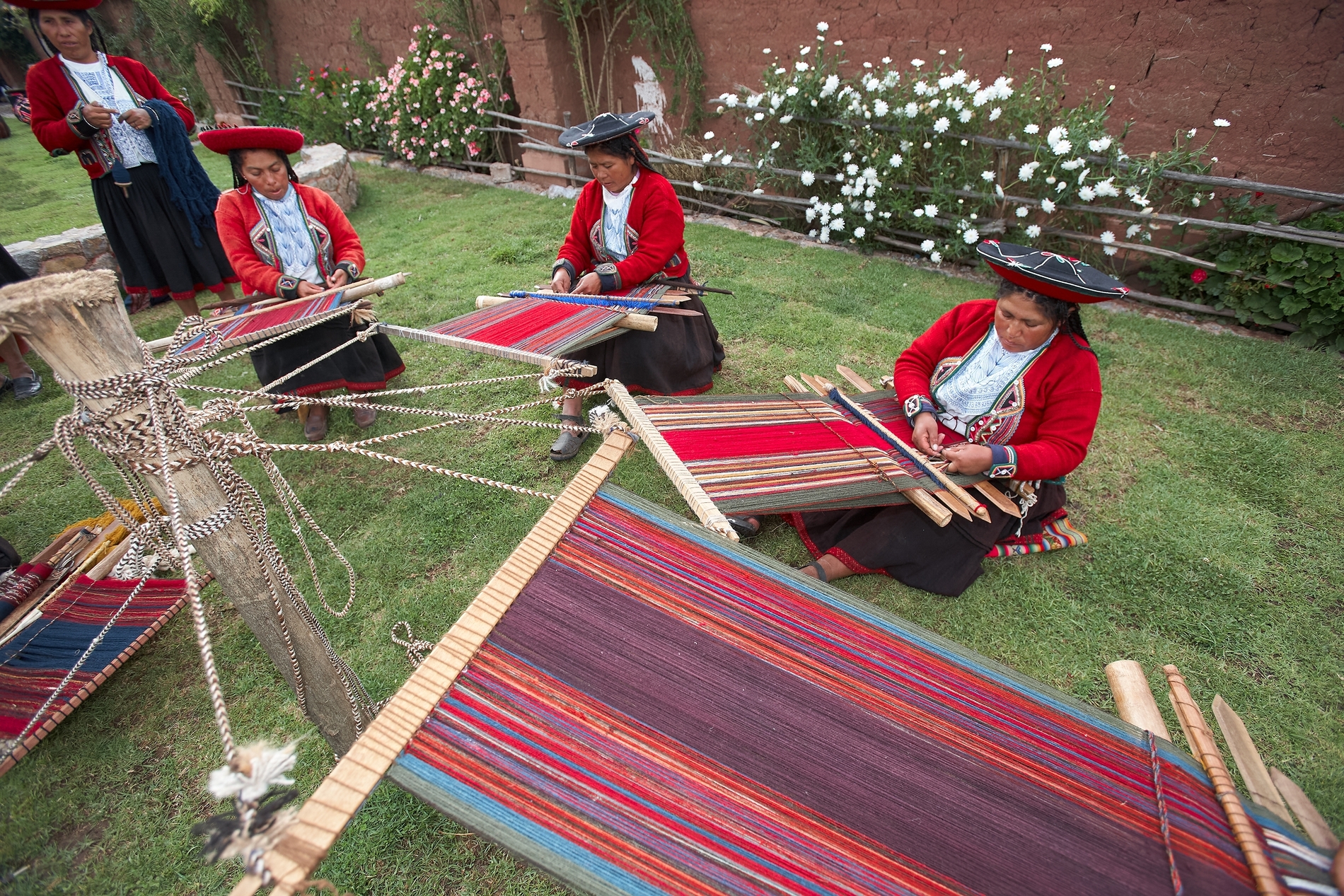
Social Order in Andean Textile Traditions

How weaving encoded identity, responsibility, and community structure Across the Andes, textile traditions have long functioned as more than artistic expression or practical craft. For centuries, woven cloth served as a system of social organization, recording identity, status, and communal roles through pattern, color, and technique. In Andean societies, textiles acted as a visual language …

herbal medicine

The Scientific Knowledge Embedded in Ancient Egyptian Medicine

How observation, experimentation, and record keeping shaped early healthcare systems Long before modern laboratories and clinical trials, ancient Egyptian physicians were practicing a form of medicine grounded in careful observation, practical knowledge, and systematic record keeping. Far from relying solely on ritual or superstition, ancient Egyptian medicine blended spiritual belief with surprisingly advanced scientific understanding, …

Japanese food

Food, Ritual, and Seasonal Knowledge in Japanese Washoku

How everyday meals carry tradition, timing, and cultural wisdom Washoku, the traditional cuisine of Japan, represents far more than nourishment. It is a cultural system shaped by ritual, seasonality, and deep respect for nature. Recognized by UNESCO as an Intangible Cultural Heritage, washoku reflects how food can preserve knowledge, reinforce community, and maintain balance between …

persian poetry

Language, Poetry, and Identity in Classical Persian Culture

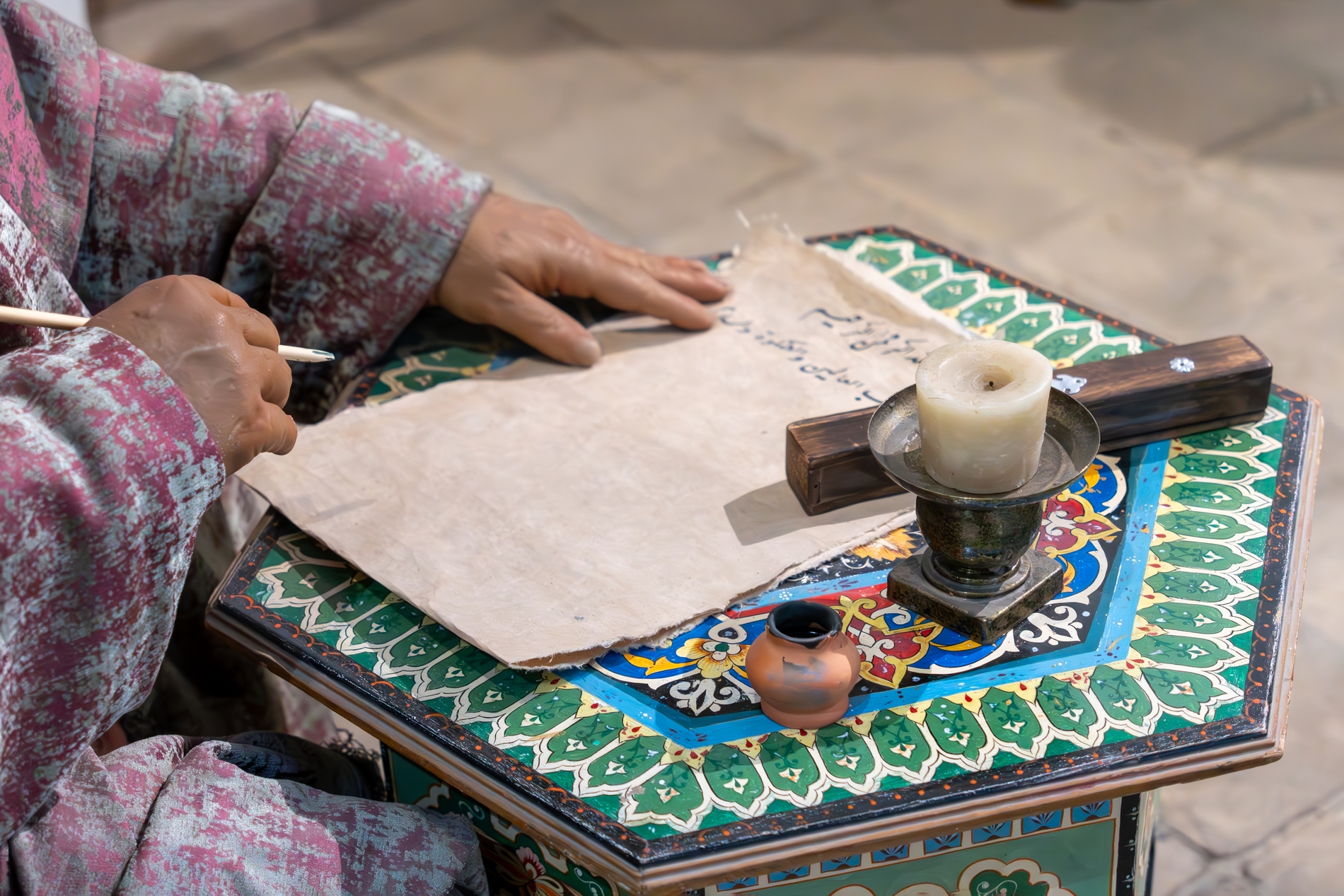
Literary expression as cultural continuity, ethical reflection, and shared memory In classical Persian culture, language and poetry functioned as central tools for shaping identity and preserving collective values. Poetry was not a specialized or marginal art form. It occupied a core position in education, court life, spiritual practice, and everyday conversation. Through refined language and …

japanese noh theatre

The Cultural Philosophy of Movement in Japanese Noh Theatre

Gesture as discipline, timing as meaning, and stillness as expression Japanese Noh theatre is built on a highly controlled philosophy of movement where every gesture carries intention. Developed in the fourteenth century, Noh does not aim to imitate everyday action. Movement functions as a structured language shaped by discipline, symbolism, and cultural values. The body …

ancient mayan civilization

Astronomy, Myth, and Architecture in Ancient Mayan Civilization

Celestial observation translated into ritual, narrative, and built form Ancient Mayan civilization developed a sophisticated understanding of the cosmos that shaped religious belief, social structure, and architectural design. Astronomy was not studied in isolation. It was integrated into mythology and expressed physically through cities, temples, and ceremonial spaces. This integration reflected a worldview where cosmic …