Expressions Through the Art of Dance
Flamenco is often seen as a performance, but in southern Spain it is something closer to a language. It carries history, identity, and emotion in a way that goes far beyond the stage. Rooted primarily in Andalusia, flamenco developed not as entertainment for outsiders, but as a form of expression for communities navigating hardship, marginalization, and deep cultural blending.
Its origins are tied to the convergence of several cultures that shaped southern Spain over centuries. Romani communities, Moorish influences, Jewish traditions, and Andalusian folk music all contributed to flamenco’s formation. This mixing of cultures created something intensely expressive, built on shared experience rather than formal structure. Flamenco grew in homes, courtyards, and gatherings long before it entered theaters.
At the heart of flamenco is emotion. The concept of duende, often described as a heightened state of feeling or soul, is central to the art form. Flamenco does not aim for technical perfection alone. It seeks emotional truth. The singing, known as cante, often expresses grief, longing, love, and resilience. These themes reflect lived realities rather than abstract ideas.
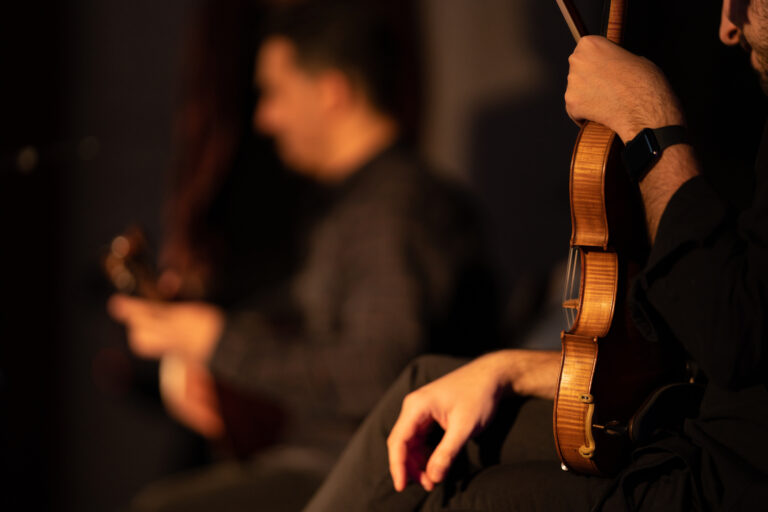
The music itself carries history in its rhythms and melodies. Different flamenco styles, or palos, developed across regions and contexts, each with its own emotional weight. Some are heavy and mournful, others lighter and celebratory. Together, they form a musical archive of experience, preserving stories that were not always recorded elsewhere.
Dance plays an equally important role in flamenco’s legacy. Flamenco dance is grounded and deliberate, emphasizing posture, footwork, and controlled intensity. It reflects strength rather than ornamentation. The body becomes an instrument of storytelling, translating rhythm and emotion into movement. Each gesture feels intentional, shaped by tradition but open to personal interpretation.
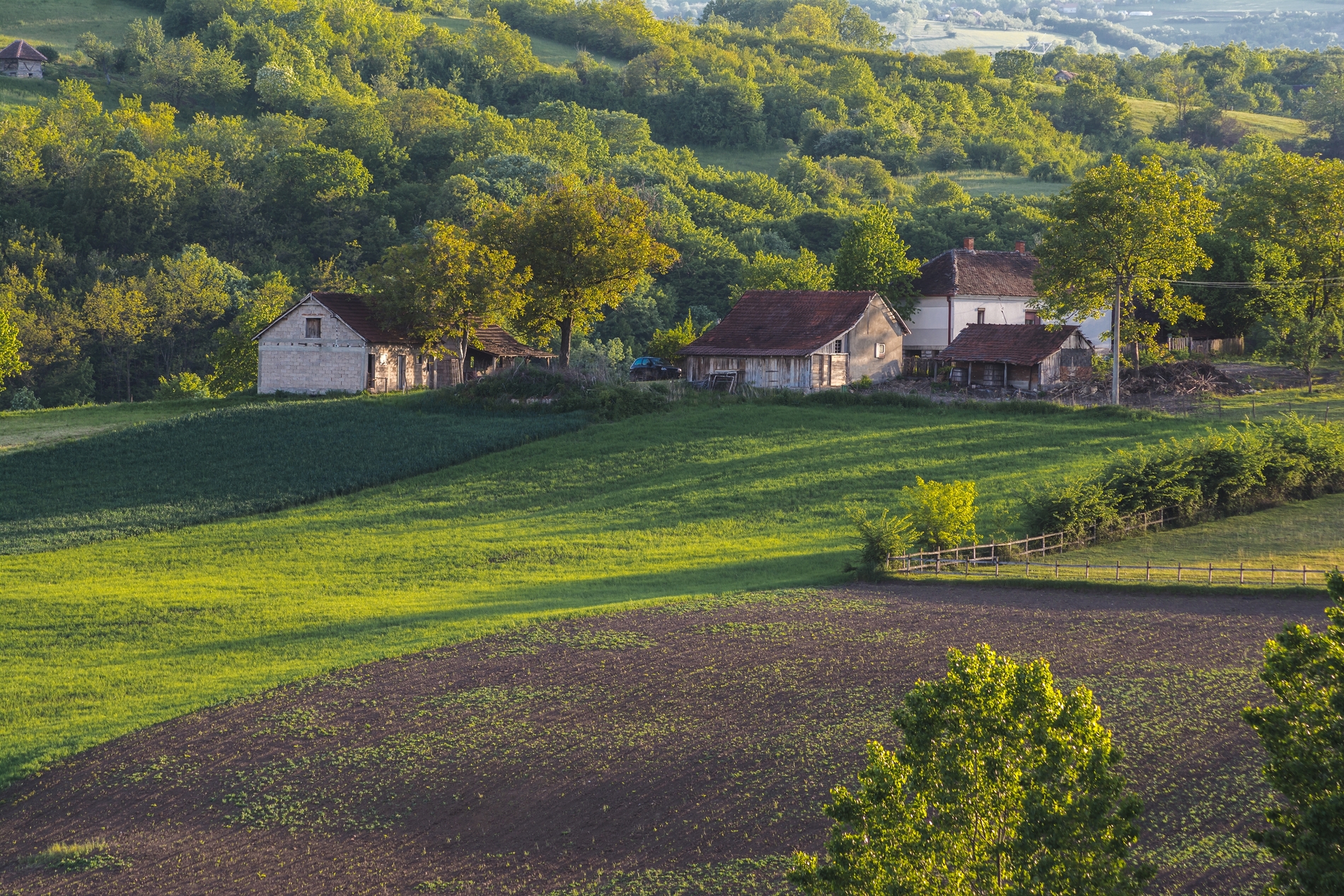
Flamenco also carries a strong sense of place. Cities like Seville, Jerez de la Frontera, and Granada are deeply connected to its development. In these regions, flamenco remains part of daily life, not just festivals or performances. It appears in family gatherings, neighborhood celebrations, and informal settings where participation matters more than presentation.
Over time, flamenco moved from private spaces to public recognition. In the twentieth century, it gained national and international attention, sometimes at the risk of being simplified or commercialized. Despite this, many artists and communities worked to protect its depth and complexity. Flamenco was eventually recognized by UNESCO as Intangible Cultural Heritage, acknowledging its cultural significance beyond entertainment.
Today, flamenco continues to evolve. Contemporary artists experiment with new influences while maintaining respect for tradition. This balance allows flamenco to remain relevant without losing its roots. It is not frozen in the past. It is shaped continuously by those who live it.
The cultural legacy of flamenco lies in its honesty. It does not soften emotion or separate art from life. In southern Spain, flamenco remains a way of remembering, resisting, and expressing what words alone cannot hold. It endures because it speaks from experience, and because it allows each generation to find its own voice within a shared rhythm.