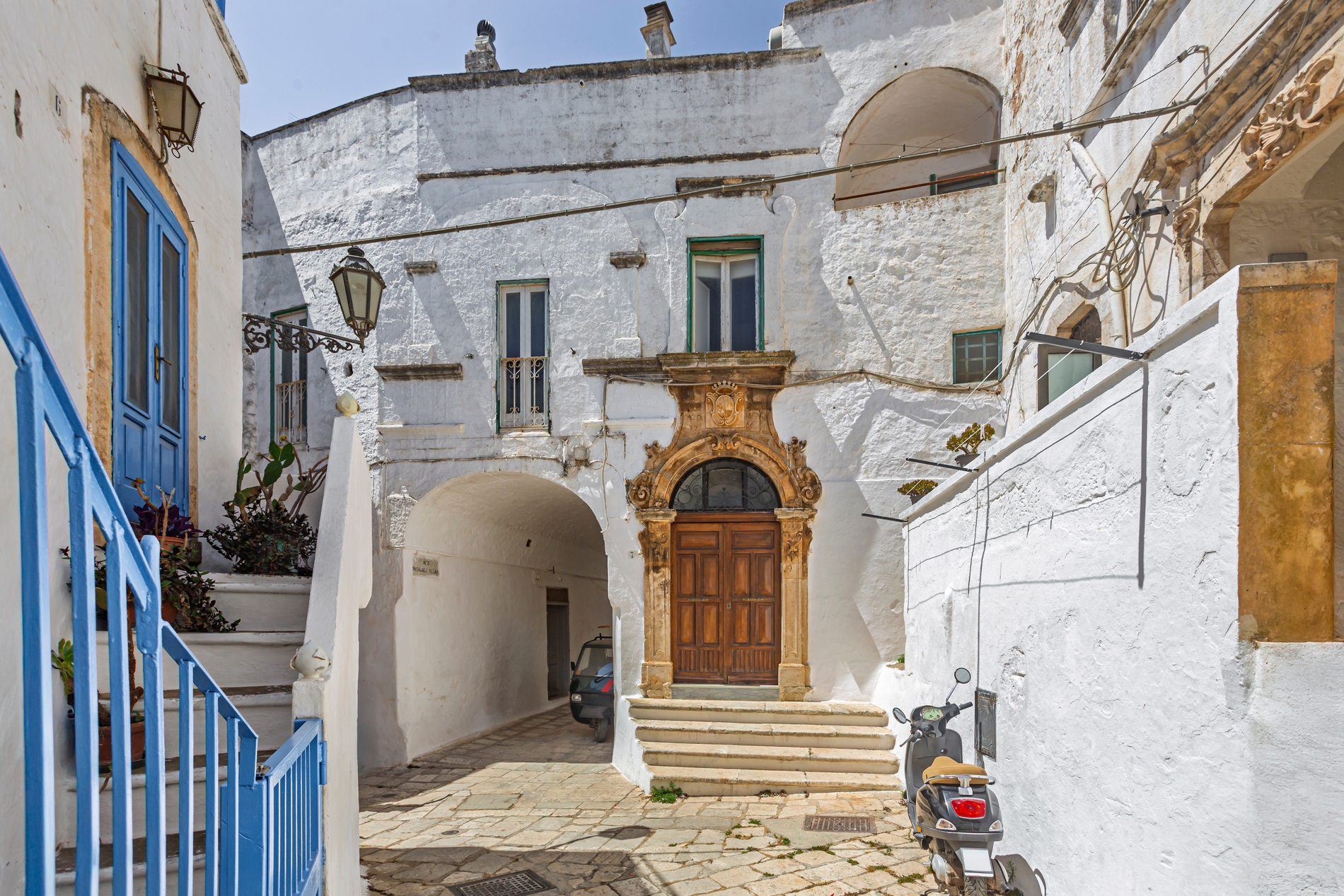
How buildings reflect history, values, and identity
Architecture is more than just buildings and structures. Every home, temple, or public space tells a story about the people who built it, the culture it represents, and the history it has witnessed. From ancient monuments to modern skyscrapers, architecture captures identity and communicates it to everyone who experiences it. Understanding buildings as storytellers allows us to appreciate spaces in a deeper, more meaningful way.
Buildings as Cultural Symbols
Buildings often symbolize the values and beliefs of the societies that create them. A cathedral, mosque, or temple shows religious devotion through design and decoration. Similarly, palaces and government buildings reflect power, governance, and social order. The choice of materials, colors, and architectural style communicates ideas about wealth, status, and community priorities. Observing these details helps us understand the culture behind the structure.
Architecture and Historical Context
Every building also carries the imprint of its time. A Gothic cathedral, a Renaissance villa, or a colonial-era town hall tells a story about historical events, technological advances, and artistic trends. Architectural styles evolve with history, so each structure becomes a snapshot of the era in which it was built. Walking through old neighborhoods or historic districts allows us to see how communities adapted to their environment and expressed themselves through design.
Storytelling Through Design Elements
Architects often use details to communicate specific messages. Carvings, murals, sculptures, and motifs can reflect myths, legends, or local traditions. For example, a decorative frieze might depict scenes from daily life, while a modern public building may use shapes and textures that reflect the region’s landscape. These elements create layers of meaning, inviting visitors to explore and interpret the stories embedded in the architecture.
Modern Architecture and Identity
Even contemporary architecture tells a story. Modern buildings can express innovation, sustainability, or cultural identity through form, materials, and technology. Glass facades, open interiors, and eco-friendly designs can communicate transparency, openness, and responsibility. Architects today often blend traditional influences with modern functionality, creating spaces that honor the past while looking toward the future.
Architecture as a Shared Experience
One of the most powerful aspects of architectural storytelling is that it is shared by everyone who experiences the space. Visitors, residents, and passersby all interact with the building and interpret its story in their own way. Public spaces, museums, and cultural centers are particularly effective at creating a shared narrative, allowing communities to connect with their history and values.
Preserving Stories Through Architecture
Protecting historic buildings is essential because they preserve cultural narratives for future generations. Restoration projects and adaptive reuse allow old structures to remain functional while keeping their stories alive. Through preservation, architecture continues to educate and inspire, reminding us of who we are and where we come from.
Architecture is a powerful storyteller, capturing culture, history, and identity in tangible form. By looking closely at buildings, we can read the stories of a society, understand its values, and appreciate the creativity of those who built it. Every structure has something to say, and paying attention allows us to see architecture not just as space, but as a living narrative of human experience.