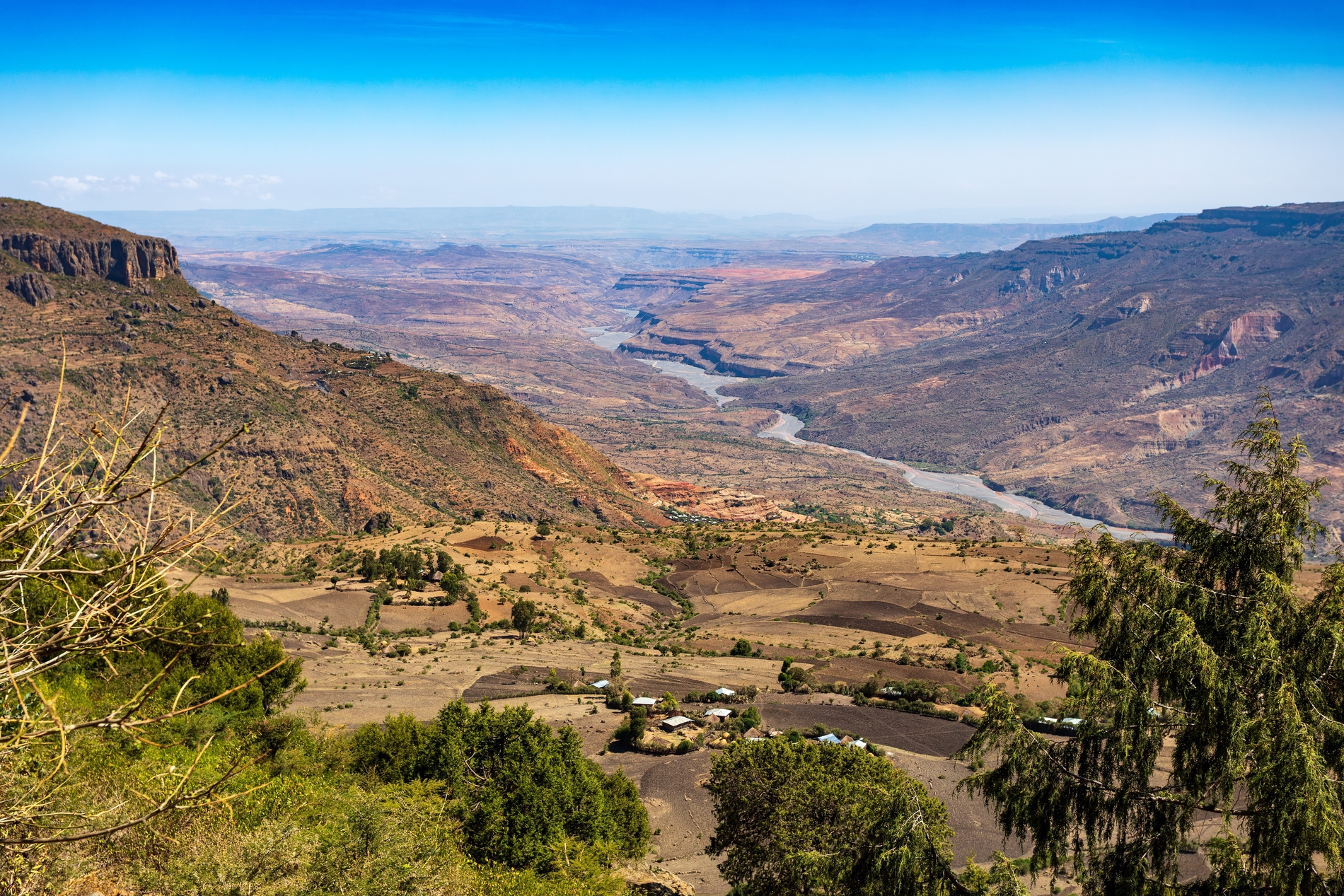
Practical essentials shaped by climate, culture, and daily movement
Packing for Ethiopia benefits from thoughtful planning rather than excess. The country’s varied elevations, changing temperatures, and cultural expectations mean that each item should serve more than one purpose. A focused approach supports comfort, mobility, and respectful travel.
Clothing should be adaptable. Lightweight layers work well across regions, especially in highland areas where mornings and evenings are cooler. Breathable fabrics support comfort during the day, while a light jacket or sweater is useful after sunset. Modest clothing is important in many settings, including towns, rural areas, and religious sites. Long sleeves, loose trousers or skirts, and covered shoulders align with local norms and provide sun protection.
Footwear deserves careful attention. Walking is common in cities and historic areas, and streets are often uneven. Supportive walking shoes help with daily movement, while a sturdier pair may be useful for rural travel or nature-focused activities. Sandals can be practical for rest days or casual settings, provided they offer basic support.
Health and personal care items should be prepared in advance. Bringing personal medications, a small first-aid kit, and basic hygiene supplies helps reduce reliance on local availability. Sun protection and insect repellent are useful across many regions, particularly at lower elevations.
Travel logistics are simpler when documents and valuables are organized. Carrying printed copies of travel documents, keeping cash accessible for areas with limited card use, and using a secure day bag support smoother daily travel. A reusable water bottle helps maintain hydration, especially during longer travel days.
Helpful items to include
- Lightweight scarf for cultural coverage and sun protection
- Power bank and universal adapter for electronics
- Compact rain layer or umbrella depending on season
- Notebook or journal for notes and observations
Packing for Ethiopia works best when items are chosen for adaptability and context. When preparation reflects both environment and culture, travel becomes more comfortable and attentive, allowing focus to remain on the experience rather than logistics.