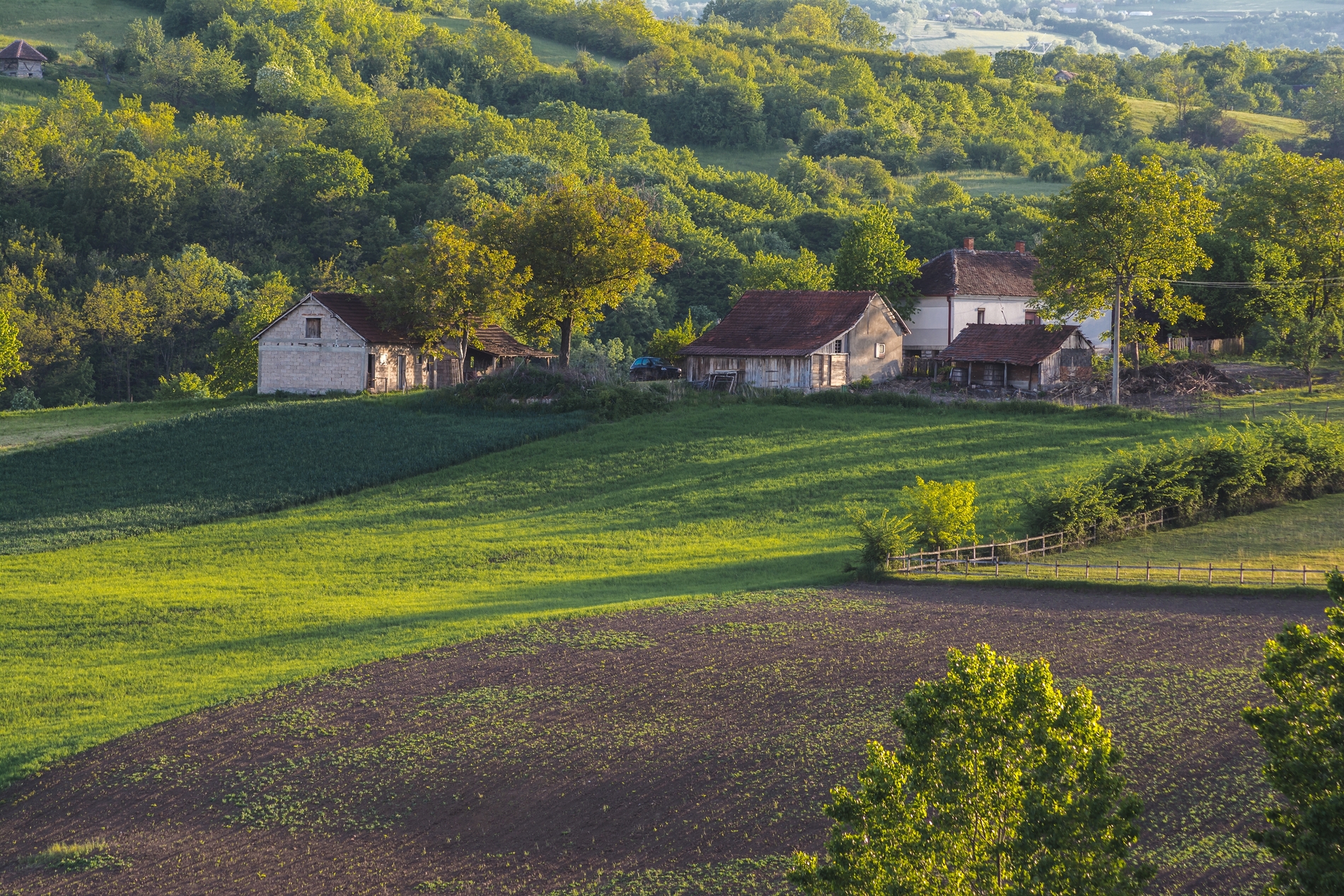
Small-scale places shaped by local routine, landscape, and continuity
Southern Italy is home to towns where daily life follows long-established patterns. These places are not organized around constant movement or high visitor turnover. They are defined by rhythm, familiarity, and strong ties to land and community. Visiting quieter towns allows time to observe how space, work, and social life function together.
Civita di Bagnoregio (Lazio)
Civita di Bagnoregio sits atop a plateau connected by a single pedestrian bridge. Movement through the town is slow by design. Stone houses, narrow streets, and open views encourage walking and pause. Life here centers on maintenance, hospitality, and preservation, reflecting the town’s relationship with its fragile landscape.
Castellabate (Campania)
Castellabate is organized around a historic core above the coast. The town’s layout supports walking, conversation, and everyday routine. Local shops, residential streets, and open squares create a lived-in atmosphere. Activity follows daily cycles shaped by weather and community rather than tourism schedules.
Specchia (Puglia)
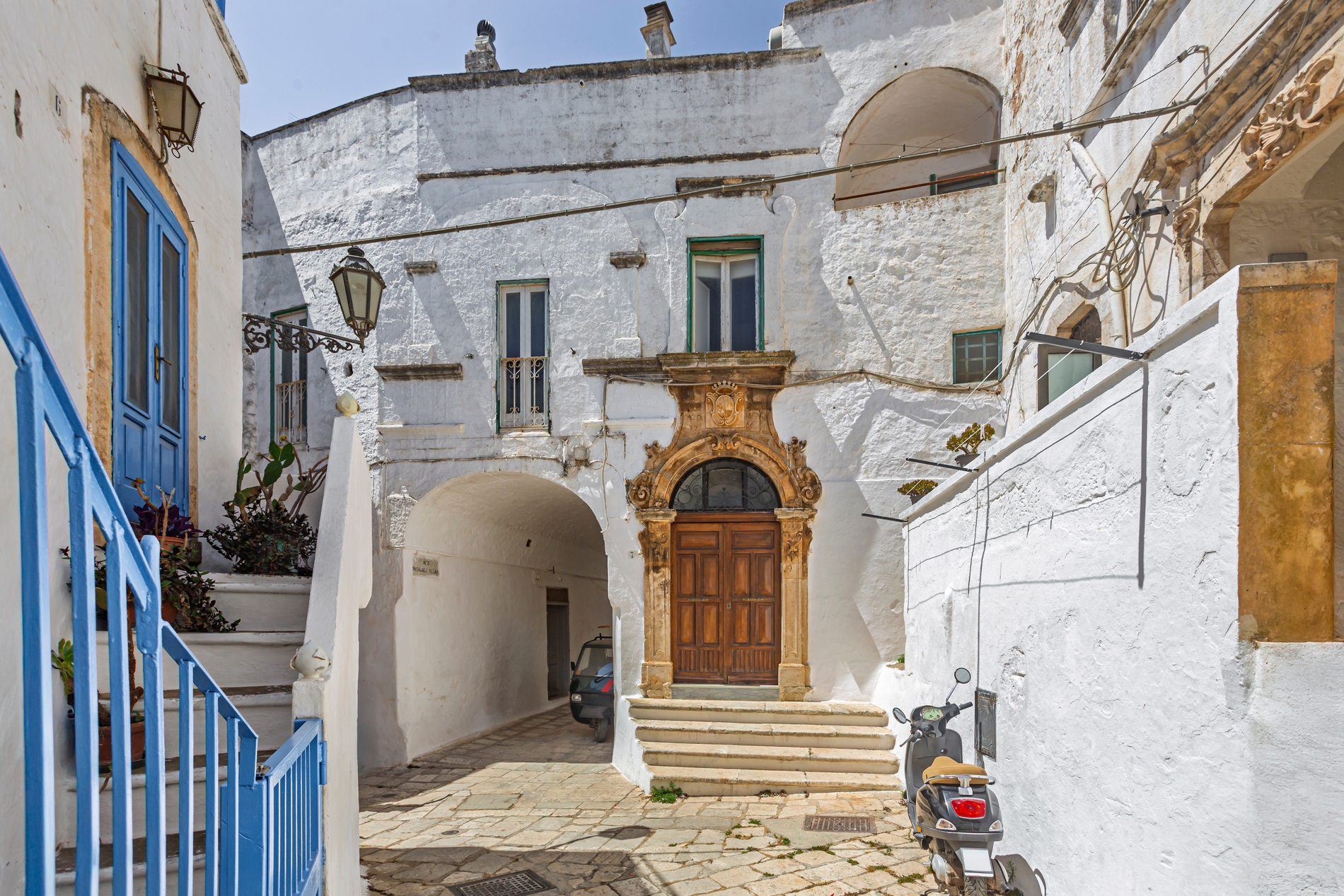
Specchia is known for its stone architecture and compact street network. The town functions around shared spaces such as small piazzas and local cafés. Residential life remains central, and movement is limited to walking distances. This structure supports consistency and familiarity among residents.
Gerace (Calabria)
Gerace is defined by its elevated position and historical layout. The town’s streets connect religious, civic, and residential spaces without interruption. Daily life moves at a measured pace, shaped by local needs and long-term settlement. Public spaces encourage quiet interaction rather than activity-driven gathering.
Sambuca di Sicilia (Sicily)
Sambuca di Sicilia reflects layered history through its architecture and street patterns. The town supports daily routines through small-scale commerce and community spaces. Movement remains localized, reinforcing social familiarity and continuity.
Quiet towns in southern Italy offer experiences grounded in presence rather than itinerary. Their value lies in stable rhythms, walkable scale, and strong connection between people and place. Visiting these towns supports a form of travel shaped by observation, respect, and time spent within local patterns.