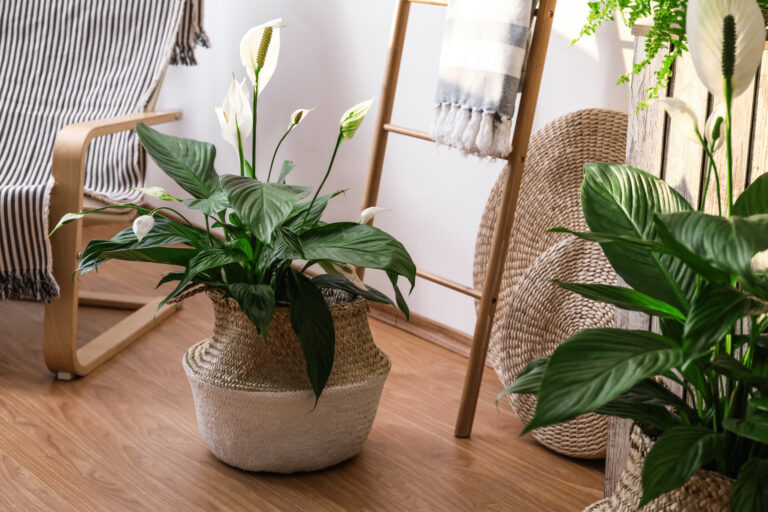
How tone, depth, and balance influence rest and everyday comfort
Color plays a quiet but important role in how a bedroom feels and functions. Because this space is closely tied to rest, restoration, and personal routine, color choices should support calm, comfort, and continuity. Thoughtful color themes help shape mood without overpowering the space.
Neutral color themes remain a reliable foundation for bedrooms. Shades such as warm whites, soft beige, taupe, and light gray create visual ease and allow the room to feel open and balanced. These tones work well with natural light and provide flexibility for layering textures through bedding, rugs, and furniture. Neutrals are especially effective in bedrooms that prioritize simplicity and long-term use.
Muted blues and greens are commonly associated with calm and mental clarity. Soft blue tones can create a sense of stillness, while greens connect the space to natural elements. These colors tend to work well across walls, textiles, or accent pieces and support a relaxed atmosphere without feeling cold or distant.
Earth-toned palettes bring warmth and grounding to a bedroom. Colors such as clay, sand, olive, and soft brown reflect natural landscapes and materials. These tones pair well with wood furniture, linen fabrics, and textured surfaces. Earth-inspired themes help the bedroom feel settled and cohesive, particularly in spaces designed for slow living and comfort.
Warm pastel themes offer color without intensity. Shades like dusty rose, soft peach, muted lavender, or pale terracotta add personality while maintaining softness. Used thoughtfully, these colors create a welcoming environment and work well in smaller bedrooms where strong colors may feel overwhelming.
Monochromatic themes rely on variations of a single color to create depth and harmony. Using different shades, textures, and finishes within one color family adds interest while maintaining visual consistency. This approach supports calm by reducing contrast and visual interruption.
When choosing a bedroom color theme, lighting, room size, and personal routine should guide decisions. Natural light affects how color appears throughout the day, while artificial lighting influences warmth and tone in the evening. Selecting colors that feel steady across these changes supports comfort and ease.
A well-chosen color theme does not demand attention. Instead, it quietly supports rest and everyday living. By focusing on balance, tone, and material pairing, bedroom colors become part of a space designed for clarity and renewal.