Simple design choices that set the tone the moment you walk in
The entryway is the first space you experience when you come home, yet in small apartments it is often overlooked or overloaded. Shoes pile up, bags get dropped, and clutter gathers quickly. Creating a calm entryway does not require extra square footage. It requires intention. With a few thoughtful choices, even the smallest entry can feel organized, welcoming, and grounded.
A calm entryway helps you mentally transition from outside noise into your personal space.
Start by Defining the Entry Zone
In small apartments, the entryway often blends directly into the living area. The first step is to define it visually. This can be done without walls or partitions.
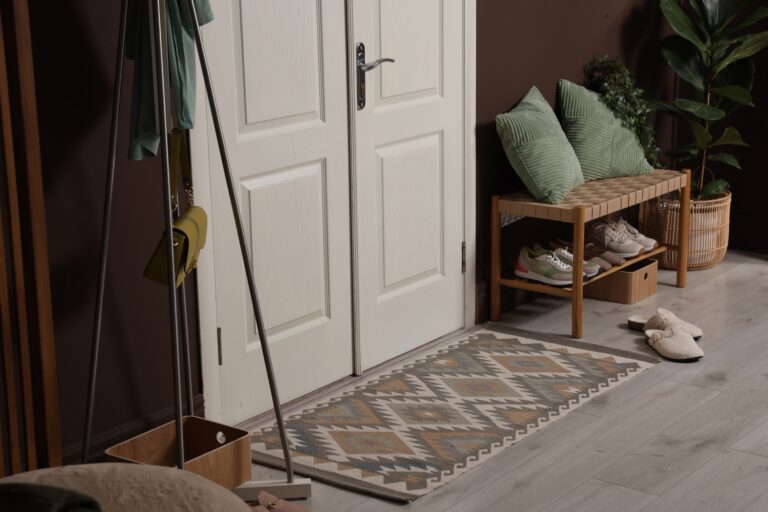
A small rug, a narrow console, or a change in lighting helps signal that this is a transition space. When the entry feels purposeful, it naturally invites better habits like putting things away instead of dropping them anywhere.
Keep Only the Essentials
Calm comes from restraint. Limit the entryway to items you use daily. Shoes you wear often, one or two bags, keys, and outerwear should have designated spots.
Everything else should live elsewhere. Seasonal items can be stored out of sight. Reducing visual noise immediately makes the space feel more open and controlled.
Choose Closed Storage Where Possible
Open storage can look cluttered very quickly in small spaces. Closed storage helps maintain visual calm even when things are not perfectly organized.
A slim cabinet, a storage bench, or wall mounted units with doors work well. These pieces keep daily items accessible while hiding mess from view.
Use Vertical Space Wisely
When floor space is limited, walls become valuable. Hooks, shelves, and wall mounted organizers keep items off the ground and free up room to move.
Install hooks at different heights for coats, bags, or hats. A small shelf above can hold keys, mail, or a plant without crowding the area.
Add Soft Lighting
Harsh overhead lighting can make small entryways feel stark. If possible, add a soft light source like a wall sconce, table lamp, or warm bulb.
Gentle lighting creates a welcoming mood and helps the space feel intentional rather than temporary. Light sets emotional tone just as much as layout.
Keep Colors Light and Neutral
Light colors help small spaces feel larger and calmer. Neutral tones like soft whites, warm beiges, or muted greys work especially well in entryways.
You can add personality through texture rather than bold color. A woven basket, wood accents, or fabric details add warmth without visual overload.
Create a Simple Drop Zone
A calm entryway needs a clear place for daily items. This could be a small tray for keys, a bowl for loose items, or a drawer in a console.
When everything has a place, clutter is less likely to spread into the rest of the apartment. The habit becomes automatic over time.
Use Mirrors to Open the Space
Mirrors are especially helpful in small entryways. They reflect light, create the illusion of space, and offer a practical last look before heading out.
A simple mirror with a clean frame keeps the look calm while adding function.
Add One Grounding Detail
Calm does not mean empty. Adding one grounding element helps the space feel lived in. This could be a small plant, a piece of art, or a textured runner.
Choose one item rather than several. A single focal point prevents the space from feeling busy.
Maintain It With Small Daily Resets
Even the best designed entryway needs upkeep. A quick daily reset keeps clutter from building up.
Put shoes away, hang bags, and clear surfaces regularly. These small habits protect the calm you created.
Final Thoughts
Creating a calm entryway in a small apartment is about clarity, not size. When the space is intentional, organized, and softly styled, it sets the tone for the entire home.
A calm entryway welcomes you in, helps you slow down, and makes even a small apartment feel thoughtfully lived in.