Rest Begins With How a Space Feels
A bedroom does more than hold a bed and furniture. It shapes how the body relaxes and how the mind slows down. A well-designed bedroom supports rest by creating a sense of ease, safety, and calm. Style still matters, but comfort and function play a deeper role in how restorative the space becomes.
Restful design focuses on how the room feels during real-life moments. Late evenings. Early mornings. Quiet pauses in between. These moments reveal whether a bedroom truly supports rest.
Create a Sense of Calm Through Simplicity
Too many objects can keep the mind alert. A restful bedroom benefits from simplicity. Clear surfaces, thoughtful storage, and intentional decor help the room feel settled. This does not mean removing personality. It means choosing items with purpose. A few meaningful objects create warmth without distraction. The goal is to let the eyes rest as much as the body does.
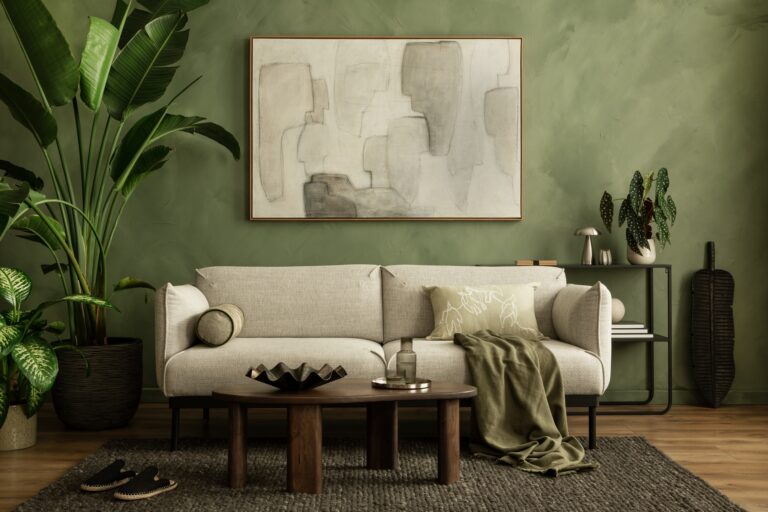
Soft, muted colors help signal calm. Earth tones, warm neutrals, and faded shades support relaxation. These colors absorb light gently and create a grounded feeling. Consistency matters. When walls, bedding, and furniture work together, the room feels cohesive. This visual harmony helps the nervous system unwind.
Focus on Comfort Through Texture
Texture plays a major role in rest. Natural fabrics like cotton, linen, and wool feel comfortable against the skin. Layering these materials adds depth and warmth. A textured throw, a padded headboard, or a soft rug underfoot can change how the room feels instantly. These elements invite the body to settle.
The bed is the center of the room. Supportive pillows, breathable sheets, and comfortable bedding shape sleep quality. Comfort should guide these choices. A bed that feels inviting encourages rest long before sleep begins. Sitting, reading, or simply lying down becomes part of the winding-down process.
Lighting That Supports the Body Clock
Harsh lighting can keep the mind alert. Bedrooms benefit from warm, soft lighting that feels gentle in the evening. Lamps with warm bulbs create a calming glow. Layered lighting gives flexibility. A bedside lamp, a floor lamp, and ambient light allow the room to shift throughout the day. Dimmers also help control intensity.
Screens introduce strong light and mental stimulation. Keeping screens out of the bedroom or limiting their use helps protect rest. If screens are present, setting boundaries around them supports better sleep habits.
Sound, Scent, and Stillness
Sound influences rest deeply. Soft background noise or quiet helps the body relax. Thick curtains, rugs, and soft furnishings absorb sound and reduce echoes. If outside noise is present, gentle ambient sound can help create balance. The goal is consistency and calm.
Light, natural scents can support relaxation. Lavender, chamomile, or warm wood notes work well in a bedroom setting. Scent should feel soft and familiar. Avoid strong fragrances. A subtle presence supports rest without distraction.
Design for Nighttime Routines
A bedroom supports rest when it supports routine. A clear path to the bed. A place for books. Easy access to soft lighting. These details matter. When nighttime routines feel smooth, the body begins to relax earlier. The bedroom becomes a signal for rest, not activity.
A Space That Cares for You
A well designed bedroom does not chase trends. It supports real needs. It allows the body to recover and the mind to slow down. When comfort, calm, and intention guide design choices, the bedroom becomes a space that truly supports rest. Style then becomes a quiet companion, not the main focus.