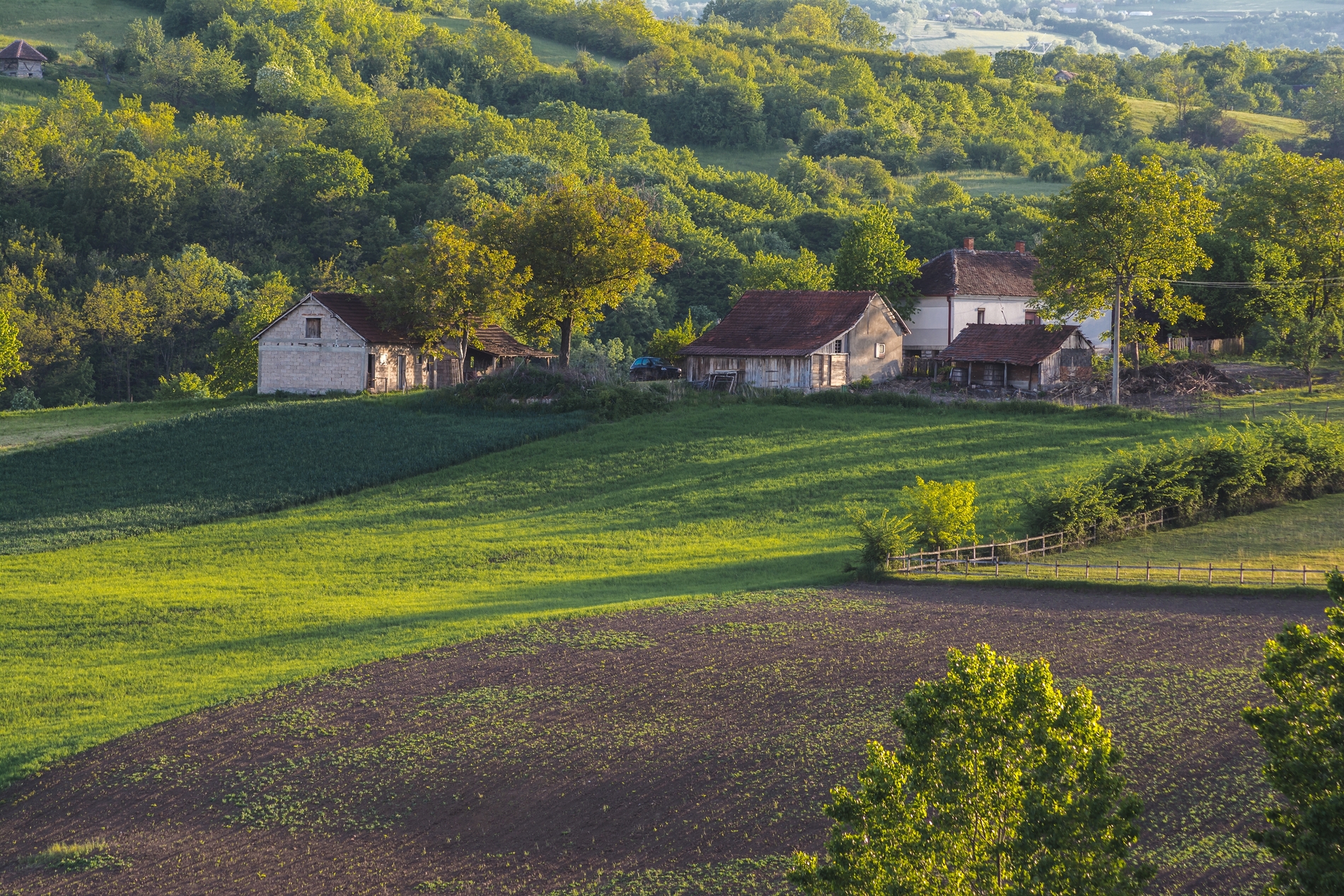
Place-based traditions sustained through land, method, and collective practice
Georgia’s wine culture is organized around regions where viticulture remains part of everyday life. Outside the capital, wine production reflects local geography, inherited knowledge, and community structure. Each region operates through its own rhythms while contributing to a shared national tradition.
Kakheti
Kakheti functions as a foundational region for Georgian winemaking. Vineyards stretch across valleys shaped by consistent agricultural use. Qvevri fermentation remains central, with clay vessels buried underground to support stability and natural aging. Many estates operate within family compounds, where wine production follows seasonal cycles and long-established routines.
Imereti
In Imereti, vineyards are integrated into smaller plots and village landscapes. Winemaking practices are closely tied to household production, with techniques adapted to local climate and terrain. Grape selection and fermentation methods reflect regional preference and continuity of practice rather than scale.
Kartli
Kartli supports a mix of traditional and structured wine production. Vineyards coexist with historic settlements, reinforcing the relationship between agriculture and cultural heritage. Winemaking here emphasizes precision and regional character, supported by controlled processes and attention to land management.
Racha-Lechkhumi
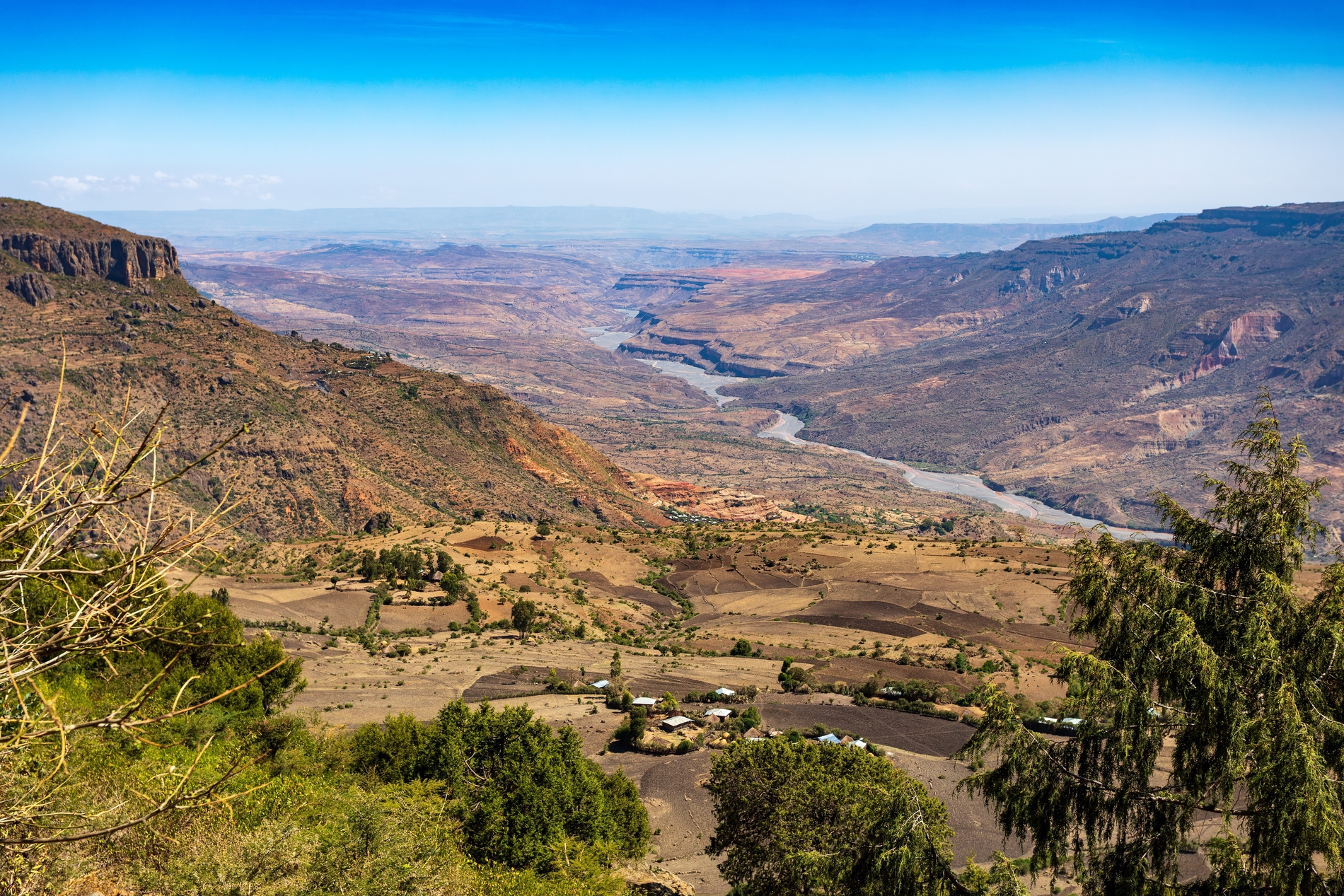
Racha-Lechkhumi’s mountainous terrain shapes limited but distinctive wine production. Vineyards operate at higher elevations, requiring careful planning and seasonal awareness. Local grape varieties and small yields reinforce the importance of the environment in defining wine identity.
Community and practice
Across these regions, wine production functions as a shared activity. Harvests involve coordinated labor, communal meals, and collective responsibility. Wine accompanies social gatherings, rituals, and daily life, reinforcing its role as a cultural constant rather than a commercial product alone.
Georgia’s wine regions beyond the capital present a system built on land, method, and continuity. Each region maintains its own structure while contributing to a wider cultural framework where wine remains a living practice shaped through community and time.