What we wear as a reflection of who we are and where we come from
Fashion has always been more than fabric and trends. Long before runways and magazines, clothing carried meaning. It signaled identity, values, status, and belonging. Over time, fashion evolved into a powerful storytelling tool, one that reflects culture, history, and social change without needing words.
Today, fashion continues to tell stories, both personal and collective, shaping how people see themselves and each other.
Clothing as Identity and Belonging
From traditional garments to everyday dress, clothing has helped people express who they are. Cultural attire often reflects geography, climate, religion, and heritage. Colors, patterns, and materials carry symbolism passed down through generations.
Wearing these pieces is not only about tradition. It is about connection. Clothing becomes a way to honor roots, signal belonging, and carry history forward in daily life.
Fashion and Social Status
Historically, fashion also communicated social position. What someone wore often reflected their role in society, access to resources, or occupation. Over time, these signals shifted, but the idea remained. Clothing continued to communicate messages about power, aspiration, and identity.
As societies changed, fashion responded. What was once exclusive became accessible. What was once restricted became expressive. These shifts tell stories about social mobility and changing values.
Fashion as a Response to Change
Major social movements have left clear marks on fashion. Periods of war, economic change, and political unrest often influenced how people dressed. Simpler styles reflected scarcity. Bold looks reflected rebellion or hope.
Fashion absorbed the mood of the moment. It became a visible response to invisible pressures, capturing emotions and attitudes that defined entire generations.
Designers as Storytellers
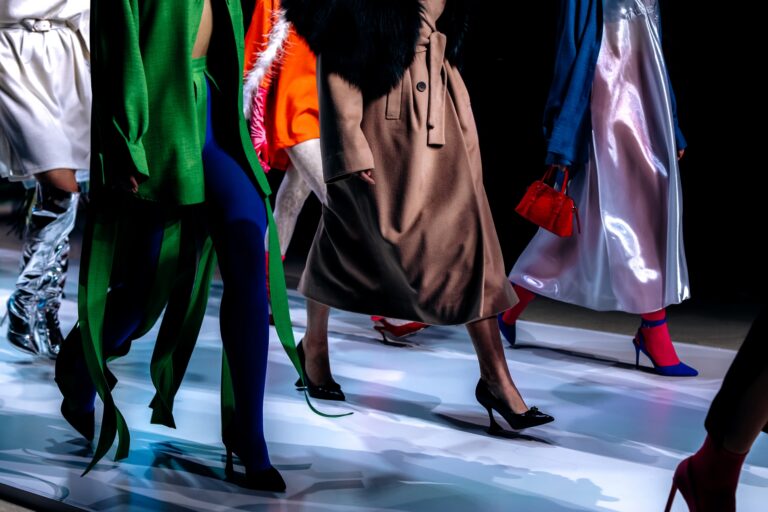
Modern fashion designers often approach collections as narratives. Through silhouettes, fabrics, and references, they tell stories about culture, memory, and identity. Runway shows become chapters, each piece adding to a broader message.
Some designers draw from personal heritage. Others respond to global conversations around gender, environment, or technology. In each case, fashion becomes a medium for ideas rather than decoration alone.
Street Style and Everyday Narratives
Cultural storytelling in fashion is not limited to designers. Everyday style plays an equally important role. Street fashion reflects how people interpret trends through their own experiences.
Personal styling choices often carry meaning. They may express confidence, resistance, creativity, or belonging. Social media amplified these stories, allowing everyday fashion narratives to travel across borders instantly.
Representation and Visibility
As fashion became more inclusive, storytelling expanded. More voices, bodies, and identities began appearing in campaigns and collections. This visibility reshaped how people saw themselves reflected in the industry.
Fashion became a space where underrepresented stories could be seen and shared. Clothing turned into a statement of presence and recognition.
Fashion as Living History
Unlike static artifacts, fashion evolves constantly. It adapts to new contexts while carrying traces of the past. Vintage styles return with new meaning. Traditional techniques find modern expression.
This movement between past and present makes fashion a living form of cultural memory. Each generation adds its chapter.
Why Fashion Storytelling Matters
Fashion storytelling helps preserve identity in a fast changing world. It allows cultures to speak visually, emotionally, and collectively. It reminds people that style choices are rarely neutral. They are shaped by experience, history, and environment.
Through fashion, cultures continue to communicate without speaking.
Final Thoughts
Fashion became a form of cultural storytelling because it sits at the intersection of identity and expression. What we wear reflects where we come from, what we value, and how we respond to the world around us.
In every stitch, silhouette, and choice, fashion tells stories that connect past, present, and future.