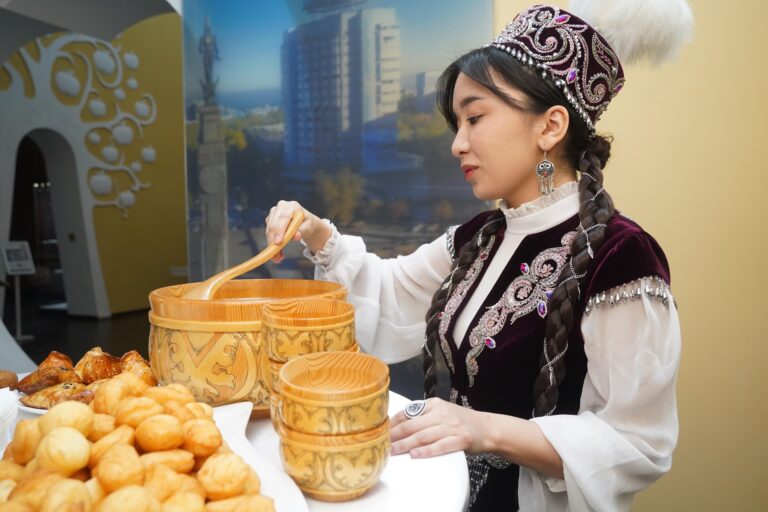
Woven materials as living records of culture and social life
Traditional textiles offer more than beauty or decoration. They act as living records of history, social structure, and skilled craft. Across cultures, fabric has long been a way to communicate identity, status, and shared heritage without words.
From handwoven cloth to embroidered garments, textiles reflect the conditions in which they were made. Materials often came from the local environment, shaped by climate, trade routes, and available resources. Patterns and techniques developed over generations, carrying practical knowledge and cultural meaning.
Textiles have also played a clear role in expressing class and social position. Certain fabrics, colors, or designs were reserved for specific groups. Royalty, religious leaders, and working communities were often distinguished by what they wore. Clothing became a visual language that signaled occupation, wealth, or role within society.
At the same time, traditional textiles highlight the importance of craft. Making fabric requires time, skill, and patience. Spinning, dyeing, weaving, and stitching were often communal practices passed down through families. These skills connected people to tradition and to each other.
Patterns found in textiles often tell stories. Motifs can represent beliefs, protection, celebration, or local history. In many cultures, designs marked life events such as birth, marriage, or mourning. Fabric became a way to record moments that mattered.
As societies changed, textiles adapted. Trade introduced new materials. Techniques blended across regions. Yet traditional methods often remained, preserving a sense of continuity. Even when styles evolved, the foundation of craft stayed present.
Today, traditional textiles continue to hold relevance. Designers, historians, and artisans look to these materials for inspiration and preservation. Reviving old techniques supports cultural memory and honors the labor behind handmade work.
In a fast moving world, traditional textiles remind us of slower processes and human touch. They reflect how people lived, worked, and expressed belonging. Through thread and pattern, history remains visible and craft remains valued.