Design choices shaped by climate, material honesty, and everyday comfort
Scandinavian interior design developed in response to long winters, limited daylight, and a strong connection to nature. These conditions influenced spaces that feel open, calm, and practical. Light and texture are central elements, used thoughtfully to support comfort and daily living.
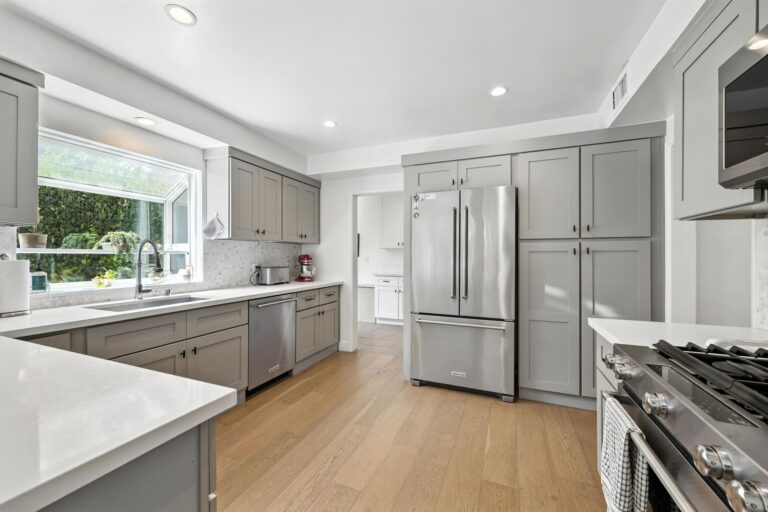
Natural light is treated as a valuable resource. Large windows, minimal window coverings, and light reflective surfaces help distribute daylight evenly throughout a room. Walls are often kept in soft, neutral tones to enhance brightness without glare. This approach creates interiors that feel steady and welcoming throughout the day.
Artificial lighting is layered to support different activities. Floor lamps, table lamps, and wall fixtures provide focused illumination while maintaining a soft atmosphere. Warm light temperatures are commonly used to create a sense of ease, especially during darker months.
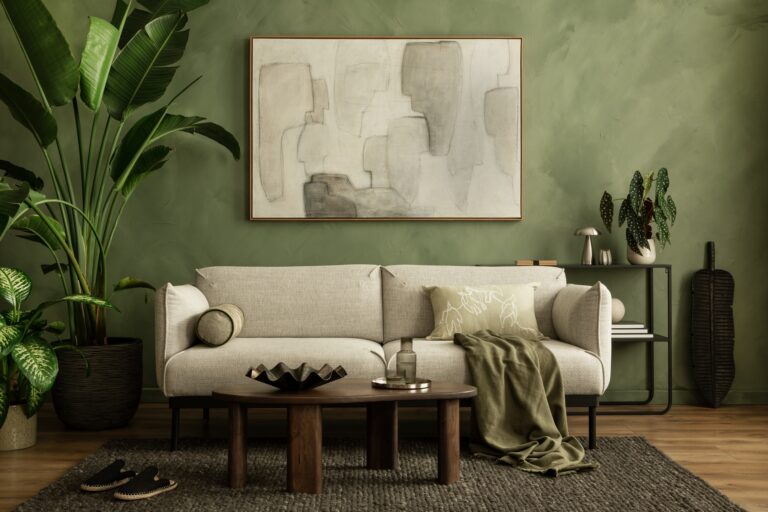
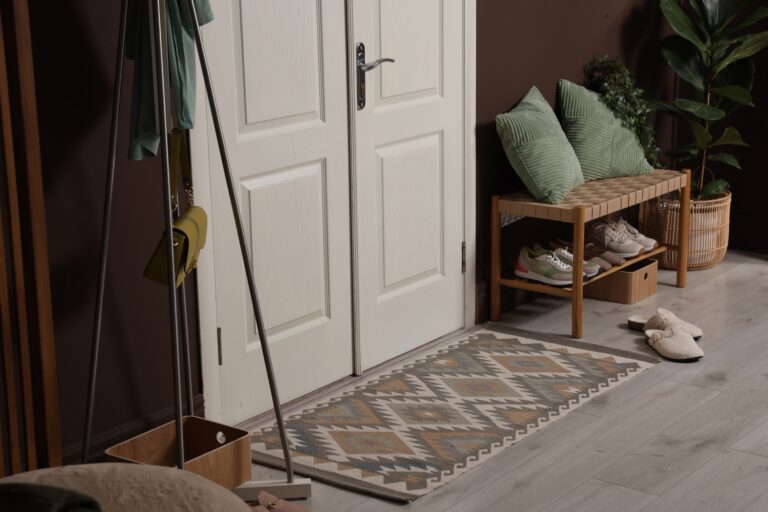
Texture balances the simplicity of Scandinavian interiors. Wood surfaces introduce warmth and variation through grain and tone. Textiles such as wool, linen, and cotton add softness and depth without visual heaviness. These materials are chosen for durability as well as comfort, reinforcing the connection between function and design.
Furniture and finishes emphasize material honesty. Wood, leather, stone, and ceramics are used in ways that highlight their natural qualities. Imperfections and wear are accepted as part of long-term use, contributing to a sense of authenticity within the space.
Scandinavian interiors prioritize clarity and restraint. Light establishes openness, while texture adds character and warmth. Together, these elements create environments that support everyday routines with balance, comfort, and quiet intention.