Timeless beauty shaping contemporary creativity
Islamic art has quietly influenced design for centuries, and its presence in modern spaces continues to grow. From architecture and interiors to fashion, graphics, and product design, its patterns and principles feel both ancient and current at the same time. What makes Islamic art so enduring is its focus on balance, rhythm, and meaning rather than decoration alone.
Modern designers often draw inspiration from Islamic art without directly copying it. They adapt its ideas, simplify its forms, and reinterpret its patterns to suit today’s lifestyles while preserving its essence.
A Design Language Built on Meaning
Islamic art developed around the idea of expressing beauty without relying on figurative imagery. Instead, it uses geometry, calligraphy, and floral forms to reflect order, harmony, and spiritual depth. These elements are not random. Every line and shape follows a thoughtful structure.
This approach resonates strongly with modern design values. Clean lines, repetition, and purposeful spacing are central to contemporary aesthetics. Designers appreciate how Islamic art creates visual interest while maintaining calm and clarity.
Geometry as a Foundation
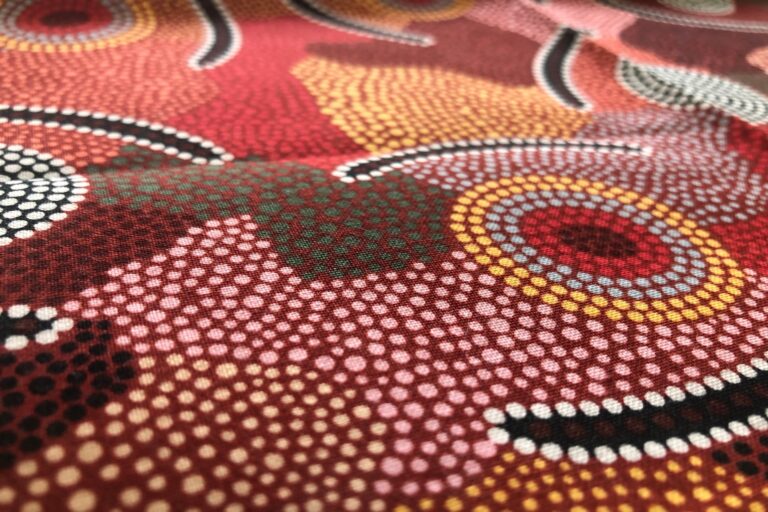
One of the most visible influences of Islamic art is geometric pattern. Circles, stars, grids, and interlocking shapes appear in mosques, manuscripts, tiles, and textiles. These patterns feel endless, suggesting continuity and balance.
Modern design uses similar geometry in wallpapers, flooring, screens, branding, and digital interfaces. Architects and interior designers often borrow these patterns to create spaces that feel structured yet inviting. The repetition creates rhythm without overwhelming the eye.
In graphic design, geometric motifs inspired by Islamic art appear in logos, packaging, and layouts. The patterns bring order and visual strength while remaining elegant and restrained.
Calligraphy as Visual Expression
Islamic calligraphy treats text as art. Letters flow, stretch, and connect with grace and intention. Words carry meaning while also serving as visual forms.
Modern typography often reflects this influence through expressive lettering, fluid scripts, and custom typefaces. Designers explore how text can communicate emotion, identity, and movement, not just information. This idea aligns closely with the calligraphic tradition of Islamic art.
In interiors, calligraphy inspired wall art and installations add depth and cultural richness without relying on imagery. They create spaces that feel thoughtful and grounded.
Patterns That Feel Alive
Floral and arabesque patterns are another key element of Islamic art. These designs often feature vines, leaves, and flowing forms that repeat organically. They reflect growth, continuity, and connection with nature.
Modern textiles, wallpapers, and fashion collections frequently draw from these motifs. Designers soften the patterns, adjust scale, and choose modern color palettes to suit contemporary tastes. The result feels fresh while still rooted in tradition.
These patterns bring warmth and movement into modern spaces, making them feel welcoming rather than rigid.
Influence on Architecture and Interiors
Islamic architecture emphasizes light, symmetry, and thoughtful use of space. Features like arches, screens, courtyards, and patterned surfaces influence modern architectural design across the world.
Today, you can see this influence in perforated panels, decorative screens, tile work, and layered facades. These elements provide privacy, airflow, and beauty at the same time. Interior designers also use inspired patterns in flooring, wall treatments, and furniture to add subtle character.
The focus on balance and proportion aligns naturally with modern architectural principles.
Final Thoughts
The influence of Islamic art on modern design and pattern is deep and lasting. Its emphasis on structure, rhythm, and meaning continues to inspire designers across disciplines. By blending ancient principles with modern needs, creators bring forward designs that feel calm, intentional, and timeless.