How everyday creativity reveals the soul of one of the world’s great capitals
Mexico City is best understood not only through its landmarks, but through the daily expressions of food and art that shape its cultural rhythm. As one of the oldest continuously inhabited cities in the Americas, the capital carries layers of history that reveal themselves most clearly in kitchens, markets, studios, and streets. Food and art act as living archives, offering insight into identity, memory, and modern life.
Cuisine in Mexico City reflects centuries of exchange and adaptation. Indigenous ingredients such as corn, beans, chili, and cacao remain central, anchoring contemporary dishes to ancient traditions. Markets serve as cultural classrooms, where recipes are practiced, shared, and preserved through routine rather than ceremony. Street food, from tacos and tamales to quesadillas and tlacoyos, represents both accessibility and heritage. Each preparation carries regional influence and personal technique, turning everyday meals into cultural storytelling.
Food also reflects social structure and ritual. Meals are tied to time of day, neighborhood rhythm, and family life. Traditional dishes appear during celebrations and religious observances, while simple foods support daily routine. Cooking is often communal, reinforcing connection and continuity across generations.
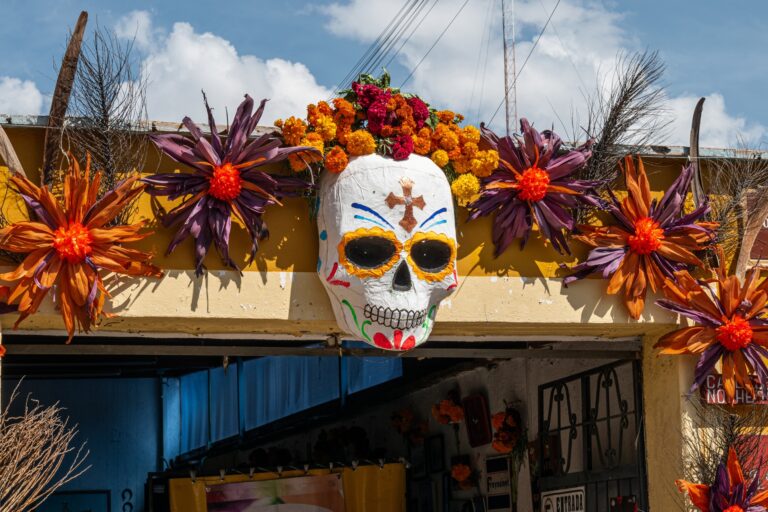
Art in Mexico City operates with similar openness. Murals, galleries, and public installations coexist naturally with daily life. The city’s strong muralist tradition transformed walls into platforms for social dialogue, historical reflection, and political expression. These works remain visible reminders of collective struggle and cultural pride.
Contemporary art spaces build on this foundation while introducing new voices and mediums. Artists engage with themes of identity, migration, urban life, and memory. Museums and independent galleries exist alongside street art, blurring the line between formal and informal expression.
Food and art frequently intersect. Restaurants collaborate with artists. Markets double as visual archives. Design, color, and craft appear in presentation and space. This integration reflects a culture where creativity is embedded in daily life rather than reserved for institutions.
Neighborhoods offer distinct cultural experiences. Areas such as Coyoacán, Roma, and Centro Histórico reveal different rhythms and influences. Walking through these spaces allows visitors to experience the city through sensory detail rather than itinerary.
Mexico City’s cultural strength lies in its ability to hold tradition and experimentation together. Indigenous roots remain visible while contemporary voices shape new narratives. Food and art provide the most direct access to this dynamic balance.
This guide through Mexico City emphasizes experience over checklist. By engaging with food and art, visitors encounter the city as a living organism shaped by people, history, and everyday creativity. Through taste and visual expression, Mexico City reveals itself with depth, resilience, and warmth.