Create a more comfortable and functional home by changing the way your space works
Sometimes a room does not need new furniture or expensive updates to feel completely different. A simple rearrangement can improve how a space looks, feels, and functions. The right furniture placement can make a room feel larger, improve movement, create better conversation areas, and help every piece serve a purpose. With a little planning, you can transform your home using what you already have.
Start by Understanding the Space
Before moving anything, take a few minutes to observe the room. Notice where people naturally walk, where sunlight enters, and which areas feel crowded or unused. A room should allow easy movement without making people walk around obstacles.
Think about how you use the space every day. A living room designed for conversations will need a different layout from one mainly used for watching television or entertaining guests. Understanding your habits helps create a setup that feels natural rather than just visually appealing.
Create Clear Walking Paths
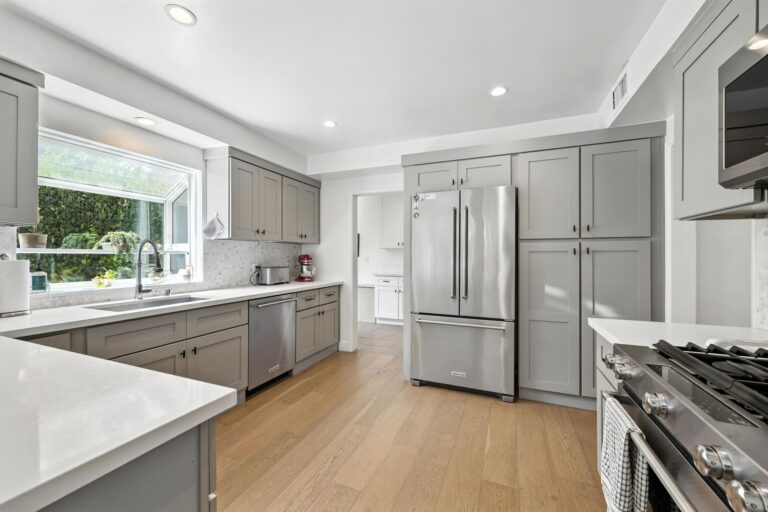
One of the biggest goals of good furniture placement is improving movement. People should be able to move comfortably through the room without squeezing between chairs or navigating around large pieces.
Keep main pathways open and avoid blocking doorways, windows, or frequently used areas. Even small adjustments, such as moving a sofa slightly away from a wall or changing the angle of a chair, can make the entire room feel more open.
Build Conversation Areas
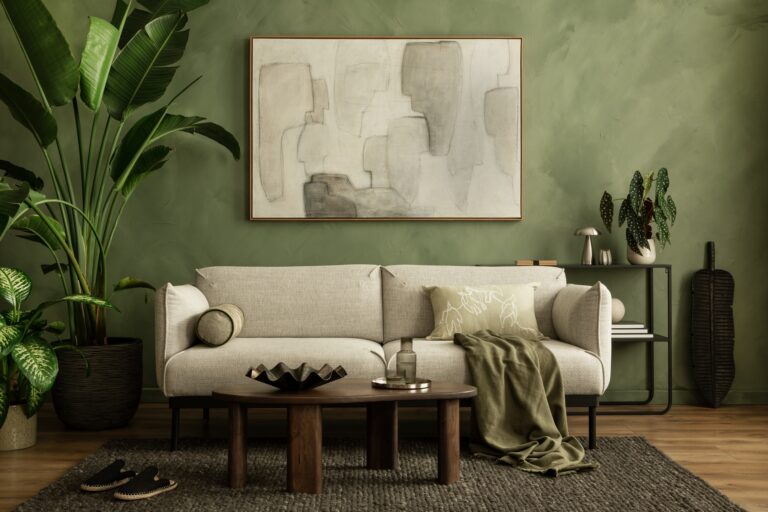
Furniture should encourage connection. In living rooms, placing sofas and chairs so they face each other creates a welcoming conversation area. Instead of pushing everything against the walls, try bringing pieces closer together to create a more balanced arrangement.
A coffee table, rug, or side table can help anchor the space and make the seating area feel intentional. The goal is to create a layout where people can comfortably interact without feeling separated.
Consider Balance and Proportion
A room feels more comfortable when furniture is balanced. Avoid placing all large pieces on one side while leaving the other side empty. Spread furniture and decorative elements throughout the space to create visual harmony.
Mixing different sizes also helps. A large sofa can be balanced with a smaller chair, floor lamp, or side table. This creates variety and prevents the room from feeling heavy or crowded.
Make Use of Natural Light
Lighting plays an important role in how a room feels. Position furniture to take advantage of natural light whenever possible. Avoid placing large pieces directly in front of windows if they block brightness or views.
A reading chair near a window or a desk positioned near natural light can make the space more enjoyable and practical.
Experiment Before Deciding
Do not be afraid to try different layouts. Move furniture temporarily, walk around the room, and see how each arrangement feels. Sometimes the best setup is different from what you originally imagined.
Taking photos from different angles can also help you notice things that are difficult to see while standing inside the room.
Keep Function First
A beautiful room should also be easy to live in. Consider storage needs, daily routines, and how the space is actually used. The best furniture arrangement is one that supports your lifestyle while making the room feel comfortable and inviting.
Rearranging furniture is one of the simplest ways to refresh your home without spending money. By improving movement, creating balance, and focusing on how you use each space, you can create a home that feels more open, practical, and enjoyable every day.