A practical guide to navigating one of the world’s most rewarding regions
Central Asia feels vast, unfamiliar, and deeply fascinating. Stretching across Kazakhstan, Kyrgyzstan, Uzbekistan, Tajikistan, and Turkmenistan, the region blends Silk Road history, dramatic landscapes, and everyday traditions that remain largely unchanged by mass tourism. Planning a trip here takes more thought than booking a European getaway, but the reward is a journey that feels rare and meaningful.
With the right approach, Central Asia is not difficult to travel. It just asks for patience and preparation.
Start With the Countries That Fit Your Style
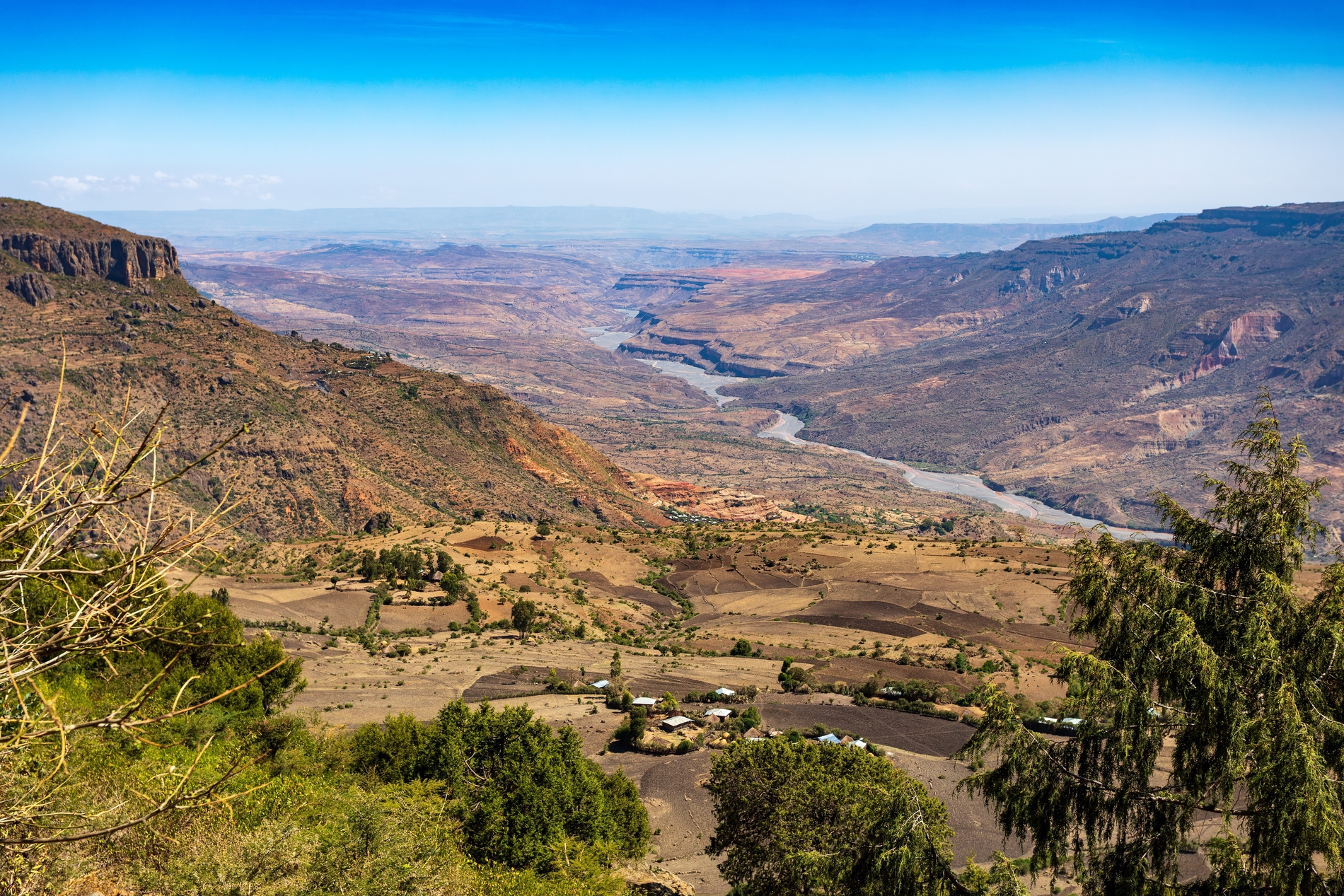
Each Central Asian country offers a different experience. Uzbekistan is ideal for first timers, with historic cities like Samarkand and Bukhara, good transport, and well developed tourism. Kyrgyzstan appeals to nature lovers, with alpine lakes, mountains, and nomadic culture. Kazakhstan offers modern cities alongside endless steppe landscapes.
Tajikistan suits travelers seeking rugged adventure and remote mountain routes. Turkmenistan is more restrictive and requires careful planning. Choosing two or three countries rather than trying to see everything makes the trip more manageable.
Understand Visas and Entry Rules Early
Visa rules vary widely across the region and change from time to time. Many travelers can now enter Uzbekistan and Kazakhstan visa free, while others may require e visas or letters of invitation for certain countries.
Check official embassy websites well in advance and confirm entry requirements for your passport. This step shapes the rest of your planning and avoids last minute stress.
Plan Transportation With Flexibility
Distances in Central Asia can be large, and travel times are often longer than expected. Trains are reliable and comfortable in Uzbekistan and parts of Kazakhstan. Shared taxis and minibuses are common between cities and towns.
In rural areas, transport may be informal. Flexibility matters. Building buffer days into your itinerary allows for delays without frustration.
Choose the Right Time to Go
Spring and autumn are the best seasons for most of the region. Temperatures are comfortable, landscapes are lively, and travel conditions are easier.
Summer can be extremely hot in desert areas, while winter brings snow and cold that limit access to mountain regions. Timing your trip well improves comfort and safety.
Balance Cities With Nature
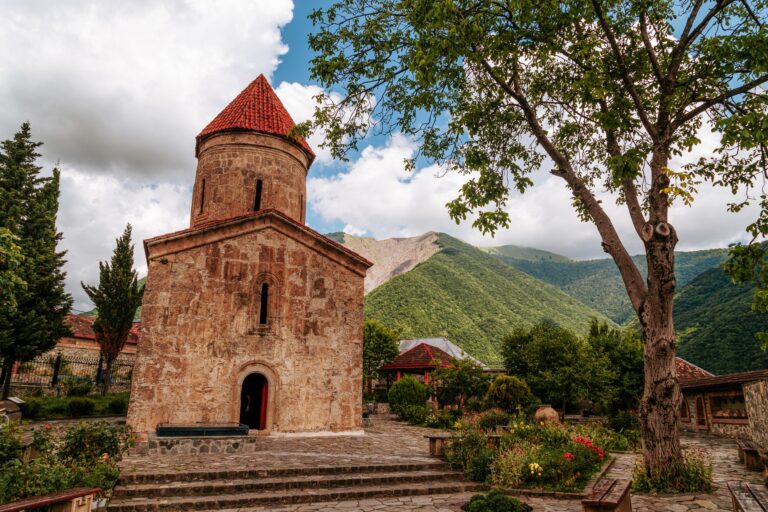
Central Asia shines when you mix historic cities with open landscapes. Spend time exploring ancient mosques, bazaars, and old towns, then slow down in mountain valleys or near lakes.
This balance keeps the journey engaging and prevents travel fatigue. Nature offers rest after busy city days, while cities add cultural depth after long stretches outdoors.
Accommodation Is Part of the Experience
Guesthouses and family run stays are common and often more rewarding than hotels. Hosts frequently share meals, stories, and local insight that guidebooks miss.
In cities, boutique hotels provide comfort and character. In rural areas, homestays and yurts offer a window into daily life and tradition.
Pack With Practicality in Mind
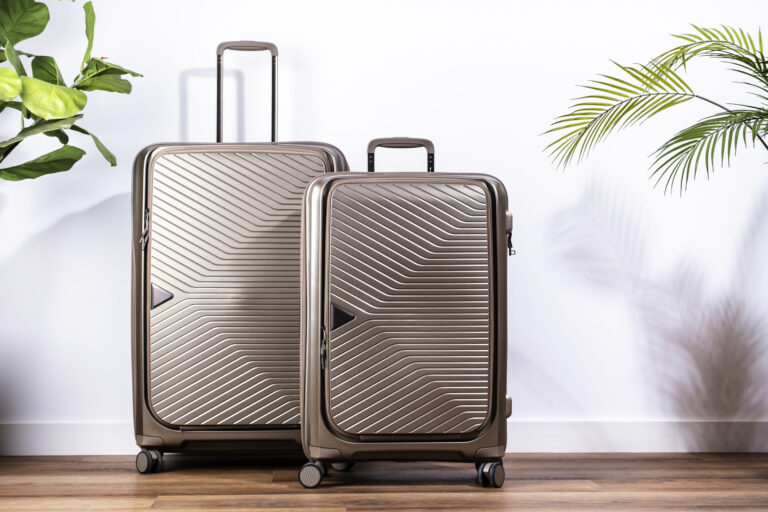
Pack for varied conditions. Comfortable walking shoes, layers, sun protection, and modest clothing are essential. In conservative areas, covering shoulders and knees shows respect.
Cash is still important, especially outside major cities. ATMs exist but may not always work reliably.
Learn a Few Words and Cultural Basics
Russian remains widely understood, and learning a few basic phrases can be helpful. English is growing in popularity but not universal.
Understanding local customs around hospitality, greetings, and dress goes a long way. Central Asian cultures value respect and generosity, and travelers who show curiosity are warmly received.
Expect Simplicity, Not Luxury
Travel here is about experience rather than indulgence. Infrastructure may feel basic at times, but that simplicity is part of the appeal.
Meals are hearty and comforting. Travel days may be long. Moments of quiet reflection often outweigh convenience.
Safety and Awareness
Central Asia is generally safe for travelers. Common sense precautions apply, especially in busy markets or public transport. Staying informed and respectful helps avoid issues.
Solo travelers, including women, often report positive experiences, particularly when dressed modestly and aware of local norms.
Final Thoughts
Planning a trip through Central Asia means letting go of rigid expectations and embracing curiosity. The region rewards those who travel slowly, ask questions, and remain open to surprise.
With thoughtful preparation and a flexible mindset, Central Asia offers one of the most enriching journeys available today. It is a place where history feels alive, landscapes feel endless, and hospitality feels genuine.