More than fabric and fashion, traditional clothing tells the stories of generations.
Clothing has always been more than a way to cover the body. Across the world, traditional garments represent history, heritage, beliefs, and a sense of belonging. From the intricate embroidery of South Asian outfits to the elegant simplicity of Japanese kimonos, cultural clothing carries stories that have been passed down through generations.
Even as modern fashion continues to evolve, traditional clothing remains an important expression of cultural identity, connecting people to their roots while allowing them to celebrate their individuality.
Clothing as a Reflection of History
Every traditional garment has a history shaped by geography, climate, religion, and social customs.
In Japan, the kimono developed over centuries, with its fabrics, patterns, and styles reflecting different historical periods.
Similarly, the Scottish kilt became closely associated with Highland identity, with tartan patterns eventually developing strong connections to families, communities, and regional traditions.
In South Asia, garments such as the shalwar kameez reflect centuries of cultural exchange and changing lifestyles.
These clothes serve as reminders of how communities lived, adapted, and expressed themselves throughout history.
Patterns and Colors Carry Meaning
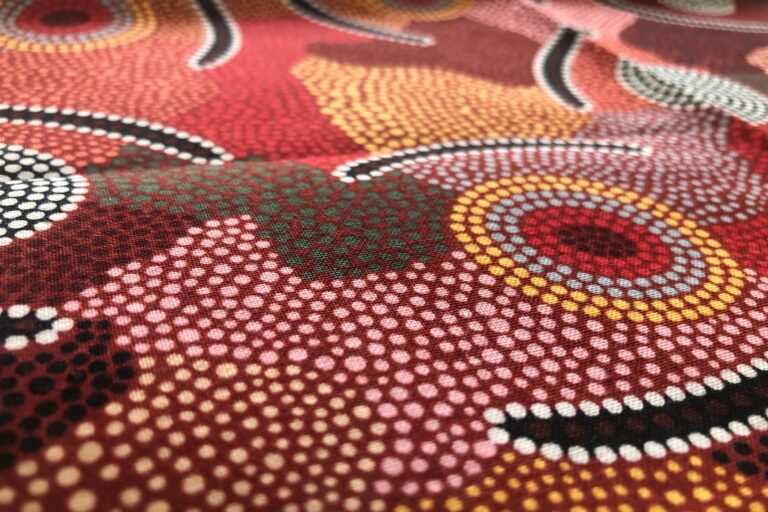
Traditional clothing often communicates cultural values through colors, embroidery, and decorative patterns.
In many Chinese wedding traditions, red symbolizes happiness, prosperity, and good fortune.
West African textiles, including Ghanaian kente cloth, use distinctive colors and woven designs that can communicate ideas about leadership, unity, and cultural heritage.
In Pakistan, regional embroidery styles reflect the artistic traditions of different communities. Sindhi ajrak, for example, is recognized for its geometric patterns and rich red, black, and indigo colors.
These details transform clothing into a form of visual storytelling.
Traditional Dress Creates a Sense of Belonging
Wearing traditional clothing can strengthen a person’s connection to their community.
During weddings, religious celebrations, and cultural festivals, traditional garments often become an important part of shared experiences.
A Pakistani bride wearing an embroidered bridal outfit, a Korean family dressed in hanbok during Seollal, or an Indian family wearing festive clothing during Diwali all demonstrate how fashion can connect individuals with cultural traditions.
For people living away from their home countries, traditional clothing can carry additional emotional significance.
Wearing familiar garments during special occasions provides a connection to family memories, language, and heritage.
Craftsmanship Preserves Cultural Knowledge
Traditional clothing also reflects the skills of artisans who have preserved specialized techniques for generations.
Hand embroidery, weaving, dyeing, and textile printing often require years of practice.
India’s Banarasi silk weaving, Indonesia’s batik traditions, and Pakistan’s handwoven shawls demonstrate the artistic knowledge embedded in textile production.
Many of these techniques are taught within families or artisan communities.
Supporting traditional craftsmanship helps preserve these skills while providing economic opportunities for local makers.
How Modern Fashion Embraces Tradition
Traditional clothing is not limited to museums or ceremonial occasions.
Contemporary designers regularly reinterpret cultural garments through modern silhouettes, fabrics, and styling techniques.
A traditional embroidered jacket might be paired with jeans, while a sari may be styled with a contemporary blouse.
Younger generations often experiment with combining heritage clothing and everyday fashion, creating looks that reflect both cultural pride and personal identity.
These adaptations allow traditional clothing to remain relevant without requiring every generation to dress exactly like the one before it.
Cultural Appreciation and Respect
As traditional clothing gains international attention, questions about cultural appreciation and appropriation have become increasingly important.
Fashion can encourage cultural exchange, but understanding the origins and significance of garments matters.
Certain designs may hold religious, ceremonial, or community-specific meaning.
Learning about these traditions, acknowledging their origins, and supporting artisans from the communities that created them are meaningful ways to engage respectfully with cultural fashion.
Appreciation becomes more valuable when it includes an understanding of the people and histories behind the clothing.
Preserving Identity Through Fashion
Globalization has made fashion more accessible and interconnected than ever before.
While international trends influence everyday wardrobes, traditional clothing continues to provide a connection to cultural heritage.
Families preserve garments as heirlooms, communities celebrate regional dress during festivals, and designers introduce traditional techniques to new audiences.
These practices help ensure that cultural knowledge remains visible and meaningful.
More Than What We Wear
Traditional clothing tells stories that words alone cannot always express.
Every pattern, stitch, and silhouette can reveal something about a community’s history, values, and creativity.
Whether worn daily or reserved for special occasions, these garments connect the past with the present.
In a world where fashion trends change constantly, traditional clothing reminds us that personal style can also be a powerful expression of where we come from and the traditions we choose to carry forward.