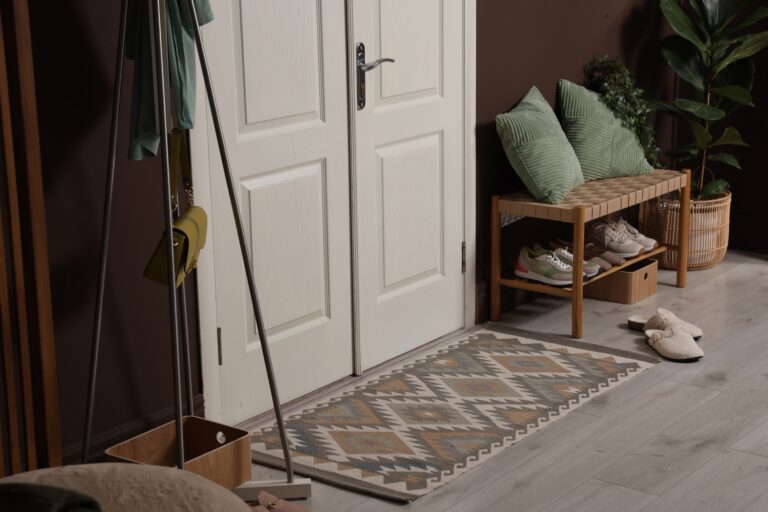
How physical spaces quietly shape focus, emotion, and mental clarity
Clutter is often viewed as a purely visual or organizational issue, but growing attention is being placed on its deeper psychological impact. Researchers, designers, and mental health experts increasingly agree that cluttered environments influence how people think, feel, and function on a daily basis. The effects reach beyond inconvenience, shaping stress levels, attention, and emotional well-being.
At its core, clutter represents excess stimulation. When a space is filled with too many objects competing for attention, the brain works harder to process information. This constant background effort can lead to mental fatigue, even when the clutter feels familiar or unnoticed. Over time, the mind remains in a low-level state of alert, making it harder to relax or concentrate.
Studies suggest that clutter can interfere with focus and productivity. Visual overload makes it more difficult to prioritize tasks, leading to distraction and decision fatigue. In work environments, this can reduce efficiency and increase frustration. In personal spaces, it can disrupt rest and recovery.
Clutter also affects emotional regulation. Disorganized spaces are often linked to feelings of stress, guilt, or overwhelm. Objects tied to unfinished tasks or unresolved decisions can create a sense of mental noise. Even when people are not actively thinking about these items, their presence reinforces the feeling that something is incomplete.
The impact extends to sleep and rest. Bedrooms filled with excess items can signal activity rather than calm. The mind associates the space with unfinished business rather than restoration. This can make it harder to unwind at the end of the day, affecting sleep quality over time.
Clutter can also shape behavior and self-perception. Living in disorganized environments may reduce motivation and create a cycle where tidying feels more difficult. In contrast, clear spaces often support a sense of control and clarity, encouraging intentional habits and better decision-making.
Importantly, clutter is not defined by minimalism or aesthetics. What feels cluttered varies from person to person. The key factor is whether objects serve a purpose or create a distraction. Items that support daily life tend to feel grounding. Items that accumulate without intention often create mental strain.
Reducing clutter does not require a dramatic change. Small shifts can make a meaningful difference. Clearing one surface, creating simple storage systems, or letting go of unused items can ease cognitive load. These changes help the mind process the environment more efficiently.
As awareness grows around the connection between the environment and mental health, clutter is being recognized as more than a household issue. It is a factor in emotional balance and cognitive well-being. Thoughtfully designed spaces support clarity, calm, and focus.
The message is increasingly clear. When physical spaces are simplified with intention, the mind benefits quietly but powerfully. Less visual noise allows mental space to open, making everyday life feel more manageable and aligned.