Calm Is Something You Feel First
When you walk into a calm space, your body often reacts before your mind does. Your shoulders relax. Your breath slows. This response usually comes from how the space feels, not just how it looks. Texture plays a quiet but powerful role here. It speaks through touch, depth, and subtle detail. While color often gets the spotlight, texture works behind the scenes to shape comfort and ease.
Texture adds a sense of grounding. It gives the room weight and presence without asking for attention. Even with a simple color palette, texture can make a space feel warm and lived in.
Texture Creates Softness and Depth
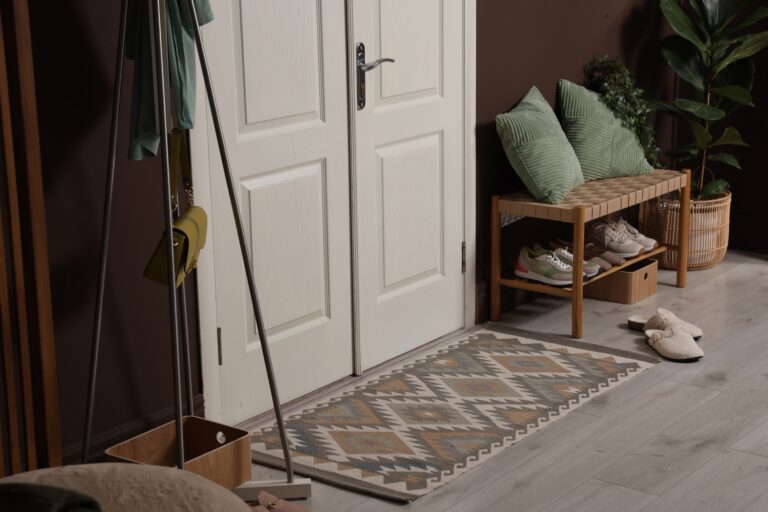
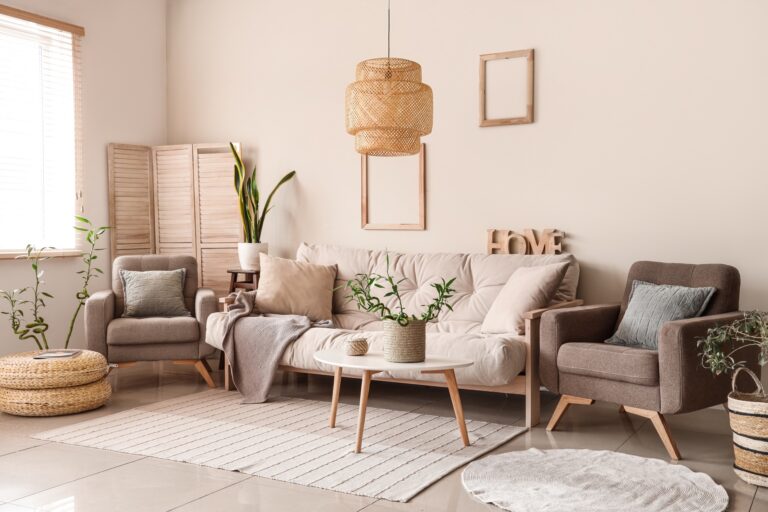
A calm space rarely feels flat. Texture adds layers that invite the eye to move slowly. Think of a linen sofa, a wool rug, a wooden table with visible grain, or a clay vase with an uneven surface. These elements bring variation without visual noise.
Smooth surfaces alone can feel distant or cold. Texture breaks that feeling. It adds softness and depth that feels welcoming. You do not need bold patterns or bright tones to make a room feel complete. Texture fills in the gaps quietly.
It also helps balance the room. A mix of rough and smooth surfaces creates a natural rhythm. This balance makes the space feel settled and intentional.
Touch Shapes Emotional Comfort
Texture is closely tied to touch, even when you are not physically touching anything. Your eyes can sense how something might feel. A knitted throw suggests warmth. A woven basket feels sturdy and familiar. These cues help your mind relax.
Calm spaces often feel safe and comforting. Texture supports this by reminding us of natural materials and handmade objects. These elements connect us to slower processes and real human effort.
This connection matters because it brings a sense of ease. It pulls the room away from feeling staged or overly polished. The space begins to feel like it is meant to be used, not just seen.
Texture Helps Spaces Age Gracefully
Another reason texture matters is how it changes over time. Natural textures age in visible ways. Wood develops marks. Fabric softens. Stone gains character. These changes add to the story of the space.
A calm environment allows these shifts to happen without constant fixing or replacing. The space grows with you. It feels steady rather than fragile.
This also reduces pressure. The room does not need to stay perfect. It simply needs to stay honest.
Designing With Texture in Mind
Adding texture does not require a full redesign. Small choices make a difference. A textured cushion, a ceramic lamp, or a woven wall piece can shift the mood of a room. Focus on materials that feel good to live with.
Calm spaces often succeed because they appeal to the senses gently. Texture supports that goal in a quiet, steady way. It brings comfort without effort and depth without clutter.
When designing a calm space, texture becomes the foundation. It holds the room together and allows everything else to breathe.