A relaxed way to explore lush landscapes, small towns, and coffee culture
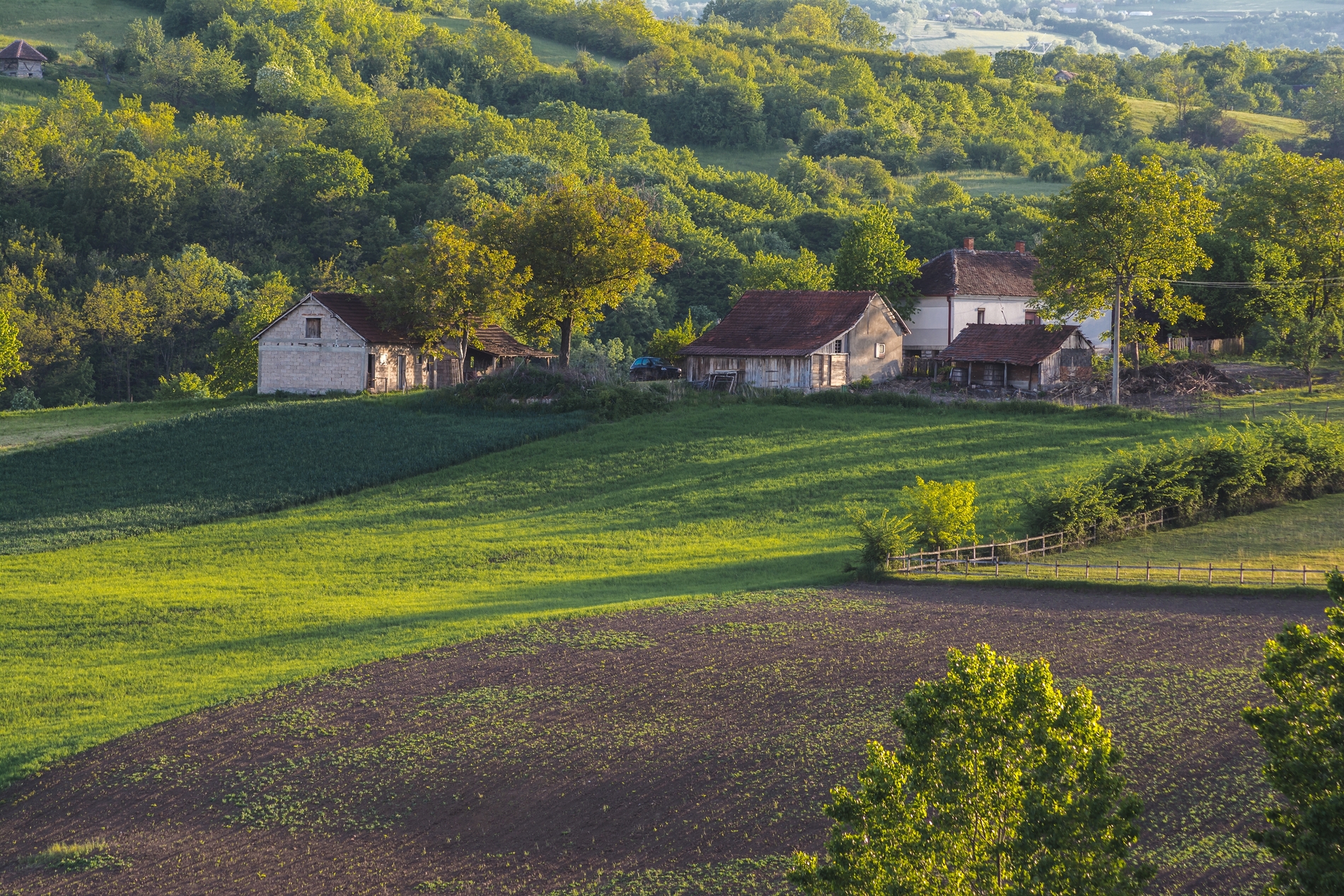
Colombia’s Coffee Region, often called the Coffee Triangle, is one of the country’s most inviting places to travel. Known for rolling green hills, colorful towns, and some of the world’s best coffee, this area is ideal for travelers who want a balance of nature, culture, and ease. It is scenic without feeling overwhelming and active without feeling rushed.
This guide breaks down what to expect and how to enjoy the region without overcomplicating your trip.
Understanding the Coffee Region
The Coffee Region is made up of three main departments: Caldas, Quindío, and Risaralda. Popular bases include Salento, Filandia, Manizales, and Pereira. Distances between towns are short, which makes travel simple and flexible.
The pace here is slower than in big cities. Days often revolve around nature, local food, and time outdoors. This makes it a great stop for travelers looking to unwind while still exploring.
Getting There and Around
Most visitors arrive via Pereira, Armenia, or Manizales airports, which connect easily from major Colombian cities. Once there, getting around is straightforward.
Buses are affordable and frequent between towns. For more flexibility, hiring a driver or renting a car allows you to explore viewpoints and rural areas at your own pace. Roads are scenic but can be winding, so allow extra time when traveling.
Where to Stay
Small guesthouses, boutique hotels, and coffee farm stays are common throughout the region. Staying on a working finca offers a peaceful setting and a closer look at daily coffee life.
In towns like Salento and Filandia, accommodations are walkable and close to cafes, shops, and viewpoints. Choosing one base and taking short day trips keeps the experience relaxed.
Coffee Farms and Tastings
Visiting a coffee farm is a highlight of the region. Tours usually include a walk through the plantation, an explanation of the growing and roasting process, and a tasting at the end.
These visits are informative without being overly technical. They focus on storytelling and tradition, making them enjoyable even for casual coffee drinkers. Booking one or two farms is usually enough to appreciate the process.
Nature and Outdoor Experiences
The Coffee Region is rich in natural beauty. Valle de Cocora is famous for its towering wax palms and hiking trails. The area offers routes of varying difficulty, so you can choose what suits your energy level.
Hot springs near Manizales, waterfalls around Filandia, and quiet countryside walks add variety without long travel times. Nature here feels accessible rather than remote.
Food and Daily Life
Meals in the Coffee Region are simple and comforting. Expect fresh ingredients, hearty portions, and strong flavors. Trout, soups, plantains, and fresh fruit appear often on menus.
Cafes are central to daily life. Sitting with a cup of coffee and watching the town move slowly is part of the experience. There is no need to rush meals or activities.
Best Time to Visit
The region is green year round, but weather can change quickly. Dry periods are typically from December to February and July to August, though rain is always possible. Packing layers and a light rain jacket helps.
Final Thoughts
Colombia’s Coffee Region is easy to love because it asks very little of you. It rewards curiosity, patience, and time. With short distances, welcoming towns, and rich landscapes, it is a place where travel feels natural rather than planned.
By keeping your itinerary simple and allowing space to explore slowly, the Coffee Region offers a calm and memorable experience that stays with you long after the trip ends.