A Cultural Shift Begins
In the early twentieth century, Harlem became the center of a powerful cultural movement. Black writers, artists, musicians, and thinkers gathered in this New York neighborhood to share ideas and express their experiences. This period came to be known as the Harlem Renaissance. It marked a turning point in how Black life and creativity were seen and valued in America.
The movement grew during a time of change. Many Black families had moved from the South to Northern cities in search of opportunity. Harlem became a place of community, energy, and artistic freedom. Creativity flowed through streets, clubs, salons, and homes.
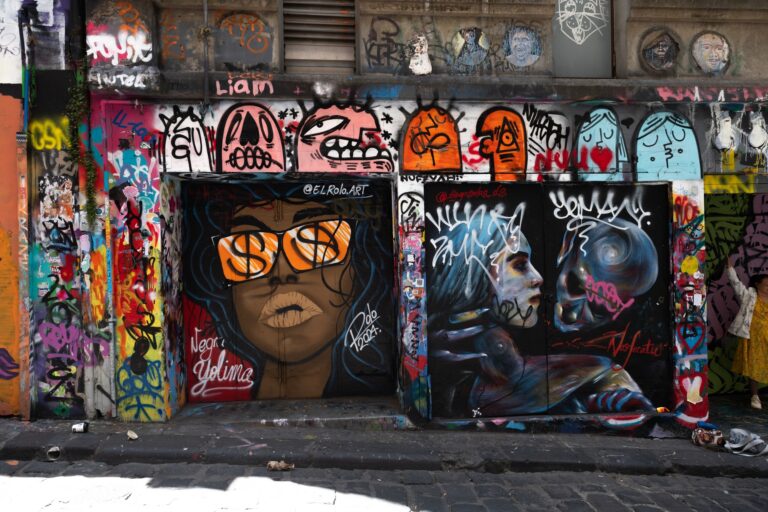
Visual artists during the Harlem Renaissance focused on everyday life, history, and pride. Their work reflected personal experience and cultural roots. Paintings, sculptures, and illustrations showed Black people as complex, expressive, and worthy of attention. This art challenged old stereotypes by presenting honest and thoughtful images. Artists created work that celebrated heritage while also exploring modern life. Their voices felt confident and self defined.
Music played a central role in the movement. Jazz and blues filled Harlem’s clubs and theaters. These sounds carried emotion, rhythm, and improvisation. Musicians brought personal style into their performances, creating music that felt alive and spontaneous.
Jazz clubs became gathering places where creativity thrived. Music crossed social boundaries and brought people together. It shaped popular culture and influenced future generations of musicians. Music during this time was not just entertainment. It became a form of expression and freedom. It allowed artists to communicate joy, struggle, and resilience through sound.
Writers and poets used language to explore identity, history, and belonging. Their work spoke honestly about life, love, hardship, and hope. Poetry and fiction gave voice to experiences that had long been ignored.
These writers helped shape a shared sense of identity. Their words offered pride and clarity during a time of change. Literature became a tool for self understanding and cultural affirmation. The Harlem Renaissance reshaped how Black identity was seen, both within the community and beyond it. It encouraged confidence, creativity, and self expression. Artists claimed space and spoke on their own terms.
The influence of the Harlem Renaissance continues today. It opened doors for future artists and thinkers. It showed how art, music, and literature can shape identity and inspire change. This movement was not just a moment in history. It was a statement of presence, creativity, and voice that still resonates through culture today.