Embrace a lifestyle that values presence, balance, and intentionality
In today’s fast-paced world, the idea of slow living is attracting attention. But it is more than just a trendy lifestyle choice or a social media buzzword. Slow living is about intentionally slowing down, focusing on meaningful experiences, and finding balance in daily life. It encourages mindfulness, prioritizing quality over quantity, and creating a life that feels fulfilling rather than rushed.
Understanding Slow Living
At its core, slow living is about being present in the moment. It’s not just about taking things easy; it’s about making conscious decisions about how you spend your time, energy, and attention. Whether it’s enjoying a morning cup of coffee without distractions or walking through nature with focus, slow living encourages a deep appreciation for everyday experiences. It reminds us that life is made up of small moments, and each moment has value.
Focus on Quality Over Quantity
One of the main principles of slow living is prioritizing quality over quantity. This can apply to work, relationships, and material possessions. Instead of overloading your schedule or surrounding yourself with unnecessary things, slow living promotes intentional choices. Eating a thoughtfully prepared meal, reading a book that truly interests you, or spending undistracted time with loved ones all reflect this focus. By valuing quality, you create a richer and more meaningful life.
Mindful Routines
Slow living often involves rethinking routines to make them more mindful and intentional. Morning rituals, bedtime routines, and even daily chores can become moments of reflection and calm. For example, folding laundry with attention to detail, brewing tea carefully, or journaling for a few minutes each day can transform ordinary tasks into opportunities for presence and enjoyment. These small adjustments contribute to overall wellbeing.
Connection With Nature
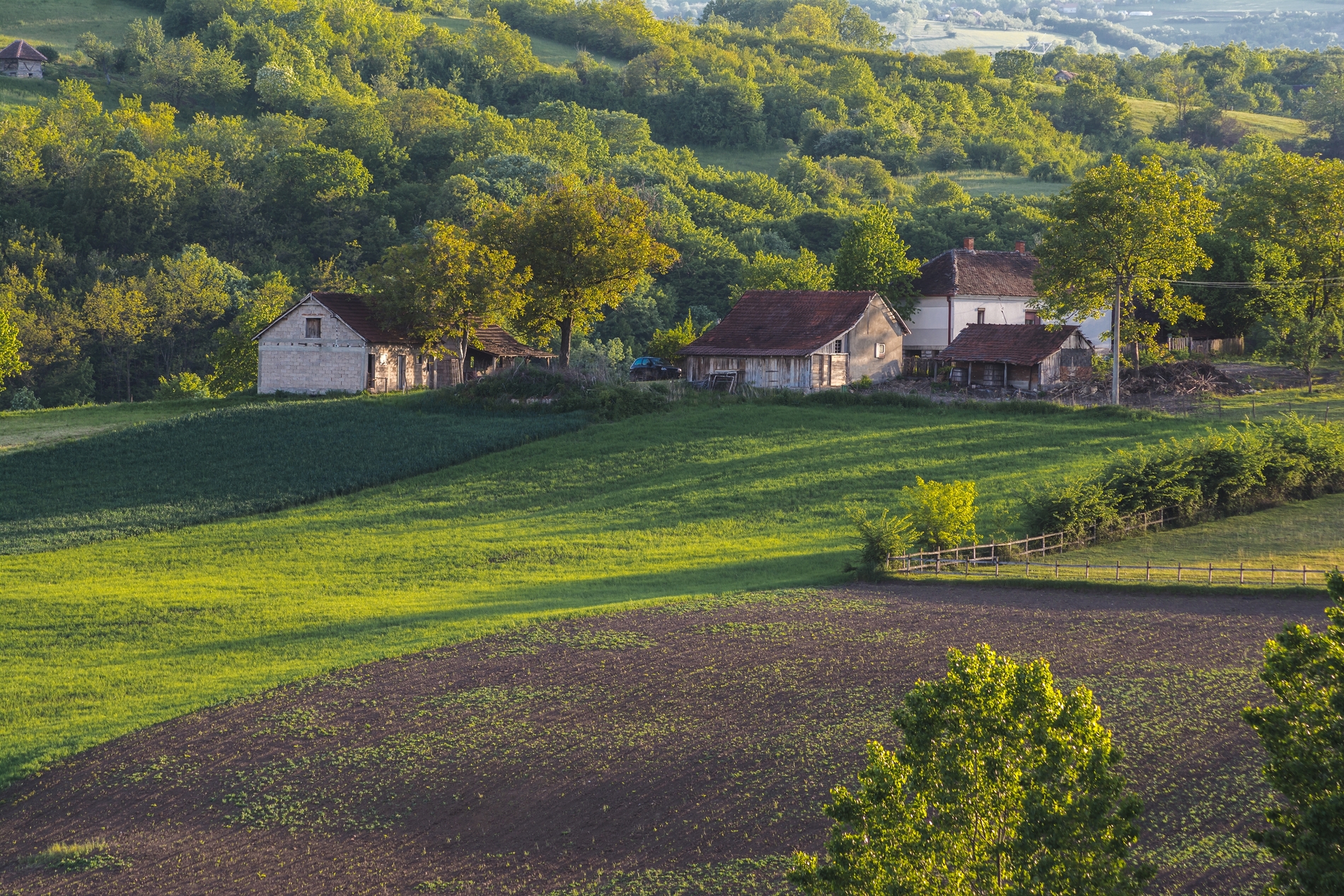
Spending time in nature is a key aspect of slow living. Walking in a park, hiking in the woods, or simply observing your garden encourages a slower pace and a break from digital distractions. Nature provides a sense of calm and perspective, helping individuals reset their minds and appreciate the present moment. Regular exposure to natural environments supports mental health and promotes mindfulness.
Benefits Beyond Relaxation
Slow living is not just about feeling relaxed; it also enhances focus, creativity, and emotional wellbeing. People who adopt a slower lifestyle often experience reduced stress, improved relationships, and a clearer sense of purpose. By eliminating unnecessary pressure and distractions, slow living allows for thoughtful decision-making and deeper connections with others.
Making Slow Living Personal
The practice of slow living will look different for everyone. Some may focus on minimizing digital distractions, others on simple home rituals or mindful travel. The key is intentionality—choosing what matters most and letting go of what does not. Slow living is adaptable, making it accessible for busy families, professionals, and anyone seeking a more balanced life.
Slow living is more than a passing trend; it is a way of approaching life with intention, presence, and care. By prioritizing quality, embracing mindful routines, and connecting with the world around us, we can create a life that is meaningful, balanced, and deeply satisfying. Choosing to slow down is not giving up; it’s gaining perspective, clarity, and joy in every day.